Section 8 Housing in Chicago, IL
Waitlist status, housing authority contacts and local application guidance across 4 public housing authorities serving the metro area.
4
Voucher waitlists tracked
0
Waitlists open / lottery
4
Waitlists closed
9,262,825
Metro population (2023)
Is the Section 8 waitlist open in Chicago?
No. When we checked in September 2026, all 4 Section 8 waitlists we track in the Chicago area were closed to new applications. Housing authorities open and close lists with little notice, and applying is always free, so confirm with the authority before you rely on this.
Status, phone number and application link for each housing authority · Checked September 2026 · See every open Section 8 waiting list we track
Voucher-friendly listings in Chicago
20 listings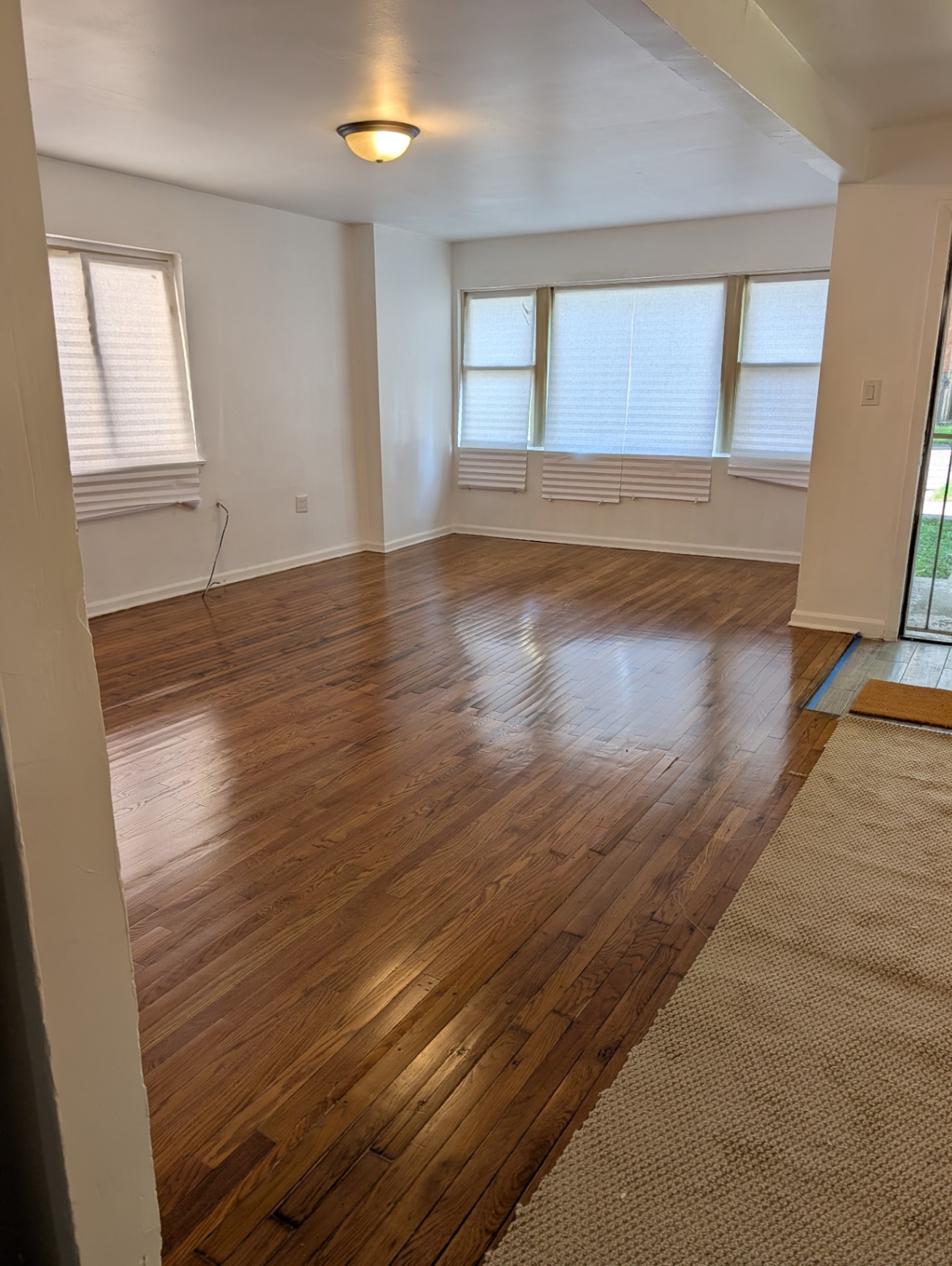 $2,300/mo4 bed · 1.5 bath
6404 S. Saint Lawrence
Woodlawn, Chicago, IL 60637
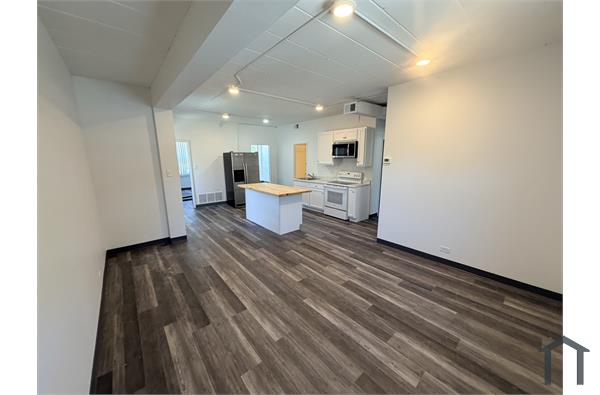 $2,800/mo3 bed · 1.5 bath
10021 S Western Ave
Beverly, Chicago, IL 60643
 $1,845/mo3 bed · 1 bath
6425 N Richmond St
Peterson Park, Chicago, IL 60645
 $2,249/mo3 bed · 1 bath
4917 S Calumet Ave
Grand Boulevard, Chicago, IL 60615
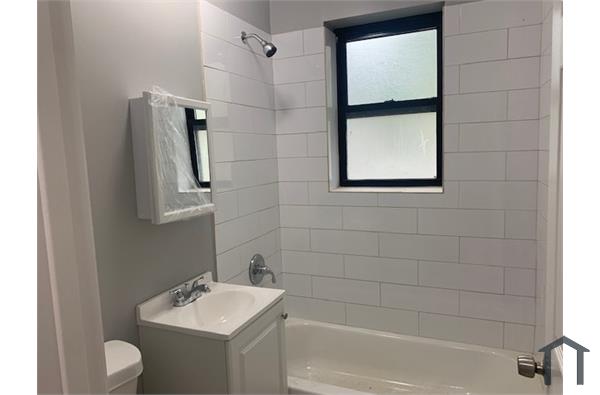 $1,300/mo2 bed · 1 bath
7749 S Yates Blvd
South Shore, Chicago, IL 60649
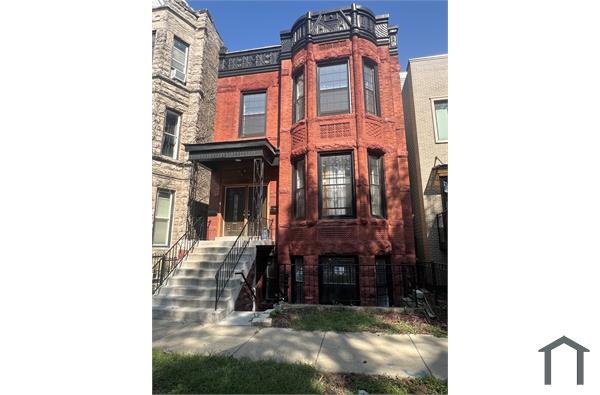 $2,000/mo4 bed · 2 bath
4625 S Evans Ave
Grand Boulevard, Chicago, IL 60653
Chicago applicants need to distinguish a portable Housing Choice Voucher from an application for public housing or a specific subsidized building. CHA and HACC also run separate programs. Start with the dated authority cards below, then follow the application path for the program you actually want. Already have a voucher? Confirm the administering agency and move requirements before submitting a unit.
Fair Market Rent by bedroom count
HUD rent benchmarks for FY2027, effective October 1, 2026. These are not adopted housing-authority payment standards or household subsidy amounts. The illustration shows 90% to 110% of FMR; ZIP-based schedules, approved exceptions and Moving to Work rules can differ.
| Bedrooms | FMR | Illustration: 90% to 110% of FMR |
|---|---|---|
| Efficiency (studio) | $1,678 | $1,510 to $1,846 |
| 1-bedroom | $1,780 | $1,602 to $1,958 |
| 2-bedroom | $2,011 | $1,810 to $2,212 |
| 3-bedroom | $2,586 | $2,327 to $2,845 |
| 4-bedroom | $2,954 | $2,659 to $3,249 |
The two-bedroom HUD benchmark for Chicago is $2,011. Multiplying by 90% and 110% gives $1,810 to $2,212, not an approval range. Gross rent includes the applicable allowance for tenant-paid utilities. Your agency must calculate assistance using its adopted standard, your household and the proposed unit.
What changed from FY2026 to FY2027 in Chicago
HUD's two-bedroom Fair Market Rent for the Chicago-Naperville-Elgin, IL-IN metro rose from $1,781 in FY2026 to $2,011 in FY2027, a change of +$230 a month (+12.9%). FY2027 figures took effect on October 1, 2026.
| Bedrooms | FY2026 | FY2027 | Change |
|---|---|---|---|
| Efficiency (studio) | $1,480 | $1,678 | +$198 (+13.4%) |
| 1-bedroom | $1,581 | $1,780 | +$199 (+12.6%) |
| 2-bedroom | $1,781 | $2,011 | +$230 (+12.9%) |
| 3-bedroom | $2,294 | $2,586 | +$292 (+12.7%) |
| 4-bedroom | $2,653 | $2,954 | +$301 (+11.3%) |
The FMR is not what the voucher pays. Each housing authority sets its own payment standard. The basic range is 90% to 110% of the applicable FMR or SAFMR, with exceptions and Moving to Work policies that may differ. A HUD effective date is not a household rent-change notice. Confirm the adopted schedule and its application to your lease or reexamination with your agency.
Already renting with a voucher in Chicago? Under standard HCV rules, once the housing authority raises its payment standard, the higher amount must be used for your subsidy no later than the earliest of three dates: a rent increase that would raise your share, your next regular or interim reexamination, or one year after the increase took effect (24 CFR 982.505(c)(4)). Confirm any applicable Moving to Work policy with your agency.
Landlords: a higher FMR does not raise a contract rent by itself. You still request the increase from the housing authority, and the new rent has to pass its rent reasonableness review against comparable unassisted units.
Source: HUD Fair Market Rents, FY2026 and FY2027, huduser.gov.
Apartments that accept Section 8 in Chicago
Compare voucher-friendly listings by neighborhood, bedroom size and ZIP code, with guidance on the responsible agency, rent and utilities.
Waitlist Status: Where to Apply
Chicago Housing Authority (CHA)
closedHCV (Section 8) waitlist is closed; when it reopens CHA will announce it publicly and run a lottery. Public Housing and Project-Based Voucher waitlists are open at applyonline.thecha.org. Client Center: 60 E. Van Buren St, 312-742-8500.
312-742-8500 · Waitlist and application page
Checked September 19, 2026
Source: thecha.orgHousing Authority of Cook County (HACC)
closedTenant-based HCV waitlist is closed; applications were last taken October 19 to November 2, 2020 and no new lottery is announced. HACC opens single-property Project-Based Voucher lists from time to time; sign up for waitlist alerts at thehacc.org. Call (312) 663-5447.
Checked September 19, 2026
Source: thehacc.orgDuPage Housing Authority
closedHCV wait list is closed. It last opened May 10, 2022. Openings are announced by public notice in the local paper and on dupagehousing.org. Applications go through the Applicant Cafe portal when a list is open. Wheaton office: 630-690-3555.
630-690-3555 · Waitlist and application page
Checked September 19, 2026
Source: dupagehousing.orgLake County Housing Authority (IL)
closedThe authority's online application portal shows no open waiting lists, so new Section 8 applications are not being accepted. Existing applicants can check their place at waitlistcheck.com. Call 847-223-1170 to ask about future openings.
847-223-1170 · Waitlist and application page
Checked September 19, 2026
Source: waitlistcheck.comIllinois Housing Development Authority (IHDA)
closedSeparate from general tenant-based Housing Choice Voucher waiting lists
Not a housing authority for vouchers: IHDA does not issue or accept applications for Housing Choice Vouchers. To apply for Section 8, contact the public housing agency that serves your community. General line (312) 836-5200.
Checked September 19, 2026
Source: ihda.orgGet an email when a waiting list opens in Chicago, IL
We check the housing authorities here and email you when a Section 8 list starts taking applications, plus new voucher-friendly listings. Free, no account needed.
One email to confirm — unsubscribe anytime.
Local guidance checked September 23, 2026. The HUD table above shows rent benchmarks. Your housing authority's adopted payment standard, utility allowance and household calculation determine your assistance.
Find your Chicago starting point
| Your situation | Start here | What the next document should establish |
|---|---|---|
| You do not hold a voucher | Official CHA or HACC program announcement and application path | Which list or property you applied to, plus a confirmation |
| You already applied | That agency's applicant account or contact instructions | Whether contact details are current and whether a notice needs a response |
| You hold a CHA voucher | CHA participant resources and your current voucher | Search term, household rent estimate and tenancy paperwork |
| You hold another agency's voucher | Your issuing agency's portability staff | Receiving administrator and packet instructions for the intended address |
CHA's applicant portal and its participant RENTCafé tasks serve different stages. Before starting a form, read its heading and identify the program. Public housing, PBV and PBRA choices concern different assistance arrangements from a tenant-based HCV application. Applying to an available property list does not reopen the general voucher list.
For your own records, make one line per application with agency, program or property, date, confirmation number and update method. If a notice arrives later, you can match it to the correct list. Do not infer a rejection or approval from silence; follow the agency's contact instructions for that record.
Sources: thecha.org
Choose the right Chicago application path
CHA’s Help Center distinguishes tenant-based Housing Choice Vouchers, public housing, Project-Based Vouchers and Project-Based Rental Assistance. An opening for a building-based program does not mean the portable HCV list has reopened. Check the program name in the dated status card and on the agency’s own application screen.
Use CHA’s official applicant portal from its Help Center. Save the program and property names with the confirmation, rather than keeping only a screenshot saying “application submitted.” If you apply to several property lists, track them separately so you know which application a future notice concerns.
CHA’s Help Center directs applicants needing assistance to its Client Center at 60 E. Van Buren Street. It also warns that joining a housing-authority waiting list does not require a fee. A private apartment application is a separate transaction from applying to the authority.
Sources: thecha.org
CHA and HACC: keep two application records
The Housing Authority of Cook County is a separate administrator from Chicago Housing Authority. Use the agency named on the application notice or voucher when checking status, submitting changes or asking about a lease. Do not assume that an application to one creates an application with the other.
HACC’s resource library includes instructions for registering and applying online, moving papers and accommodation requests. Start from the authority’s own links, and keep an application number, the date submitted and the contact method for each program.
Once you are a CHA participant, the agency’s RENTCafé account supports household information, inspection information, re-examinations and interim-change requests. An existing participant account and a new applicant’s waiting-list task are different stages. Follow the instructions for your current stage instead of repeatedly starting a new application.
Sources: thehacc.org, thecha.org
If you already hold a voucher and want to move
Start with your current housing authority before arranging a move to Chicago. CHA publishes specific instructions for porting into its program. Ask the current agency where to send the portability packet and confirm the receiving agency for the proposed address.
Track the voucher’s search deadline and ask how the receiving agency’s process affects it. A landlord’s agreement to accept a voucher does not move the voucher between agencies or approve the lease. Keep copies of the notices and the names of the staff handling your transfer.
CHA and HACC publish different materials for determining affordable rent. Confirm the applicable standard and utility allowance with the agency handling the new unit, especially if the apartment size differs from the voucher size. The HUD rent table on this page is background data; it cannot replace that household calculation.
Sources: thecha.org, thehacc.org
Move from the application stage to an apartment search
After voucher issuance, use the exact address, asking rent and utility responsibilities to request an affordability review. Ask the owner who will complete the tenancy paperwork and arrange access for inspection. A lower advertised rent can be offset by additional tenant-paid utilities.
Use Chicago apartment search to browse locations and bedroom counts. The Chicago payment article separates current HUD benchmarks, future FY2027 figures and the agency’s own adopted schedule.
Choose search areas around the household’s actual needs: travel to work or care, accessibility, space and the unit’s verified costs. A neighborhood label cannot establish whether a particular owner will participate or a particular apartment will pass approval. Keep the search open to suitable addresses across the areas your agency can serve.
Sources: hud.gov
Prepare for a CHA search without losing the deadline
The CHA participant guide linked from its resources page describes a 120-day initial search period and possible extensions in specified circumstances. The actual voucher and any written extension decision are the documents to follow. If you need more time, ask in writing before the deadline and follow the agency's evidence instructions; simply submitting a request does not establish approval.
Keep a search log with the address, date contacted, result and any pending tenancy submission. This helps explain where a move is delayed and keeps the next action visible. If disability-related access needs limit the search, use CHA's official reasonable-accommodation channel and keep the request distinct from the ordinary rental application. Avoid sending private supporting records to unrelated property advertisers.
If the move is into CHA from another authority, ask the issuing agency where the portability packet goes, then confirm receipt with the receiving agency. Ask which briefing, verification and voucher-issuance steps remain. A landlord cannot transfer the voucher by accepting an application. Once the receiving agency's instructions are clear, move to the apartment hub for unit selection rather than submitting a new waiting-list application to solve a portability issue.
Sources: thecha.org
Local housing help and official resources
Law Center for Better Housing (LCBH)
legal aidFree legal help for Chicago renters, explicitly including Housing Choice Voucher holders. Tenant intake line for those with an eviction summons: 312-347-7600. Also runs the free Rentervention/Renny online tool.
lcbh.org →Cook County Legal Aid for Housing and Debt (CCLAHD) hotline
hotlineFree legal advice, mediation, and connection to Chicago's Right to Counsel program for tenants facing eviction. Call 855-956-5763. Services are free for qualifying tenants.
chicago.gov →Chicago Lawyers' Committee for Civil Rights
advocacyLitigates source-of-income and fair housing discrimination cases under the Illinois Human Rights Act. Filed one of the first Cook County SOI lawsuits in 2024. Intake/referral: 312-630-9744.
clccrul.org →Chicago Commission on Human Relations (CCHR)
govFile source-of-income and other housing discrimination complaints for properties in the City of Chicago, online or in person. Phone 312-744-4111. Note: investigations are backlogged and can take a long time.
prismreports.org →Illinois Department of Human Rights - Fair Housing Division
govStatewide agency enforcing source-of-income protection under the Illinois Human Rights Act; file complaints for properties anywhere in Illinois. Fair Housing line 312-814-6227.
dhr.illinois.gov →Metropolitan Tenants Organization (MTO) tenant hotline
advocacyFree tenants rights hotline at 773-292-4988, Monday-Friday 1-5pm, for renters including voucher holders. Provides referrals and eviction-prevention help.
tenants-rights.org →Housing Choice Partners - CHA Mobility Counseling
advocacyHelps CHA voucher families with children move to low-poverty Mobility/Opportunity Areas, with housing search help and a $1,000 grant for eligible movers. Call 312-386-1009.
thecha.org →Frequently Asked Questions
Is the Section 8 waitlist open in Chicago right now?⌄
No. When we checked in September 2026, all 4 Section 8 waitlists we track in the Chicago area were closed to new applications. Housing authorities open and close lists with little notice, and applying is always free, so confirm with the authority before you rely on this.
Does a CHA property-list opening mean the HCV waitlist is open?⌄
No. Public housing and building-based assistance have separate application paths. Read the program name and use the dated HCV status card for the portable voucher list.
Is HACC the same agency as CHA?⌄
No. Keep separate application records and use the administrator named on the voucher or notice. Confirm portability when moving between agencies.
Does a Cook County ZIP identify the payment standard?⌄
No. Confirm the administering agency, the applicable bedroom size and the authority’s adopted schedule. HUD benchmarks are not a household rent approval.
Where should I look after I receive a voucher?⌄
Use the Chicago apartment hub for location and bedroom searches. Submit the actual unit’s rent and utility responsibilities to your agency for approval.
Does a request for a CHA search extension automatically give me more time?⌄
No. Follow the expiration date on your voucher and obtain the agency’s decision. Keep the written request, supporting material submitted through the official channel and any approval.
More housing help in Chicago
- Apartments that accept Section 8 in Chicago, by neighborhood, ZIP code and bedroom size
- Housing authorities in Illinois, phone numbers, addresses and programs
- Open Section 8 waiting lists nationwide
- Listings from landlords in Chicago who accept vouchers
Own property in Chicago? List it free.
Add your rental to the Chicago area listings. Post the unit, receive applications, and message tenants directly. Listings are free.
List your property freeAlready have an account? Sign in to add a listing.
Landlord and investor tools for Chicago
RentalCalcsFree calculators and guides from RentalCalcs, built by the VoucherMatch team, for landlords deciding whether to accept vouchers.
- Section 8 rent analyzerHUD rent benchmarks and modeled comparisons for Illinois ZIP codes. Confirm adopted amounts with the agency.
- Compare HUD benchmarks with market rent in IllinoisExplore modeled ZIP comparisons; these do not establish an approved rent or agency payment.
- Average rent in IllinoisMarket rent versus HUD fair market rent by city and bedroom count.
- How Section 8 rent is calculatedFair market rent, payment standards and rent reasonableness, step by step.
- Section 8 landlord math for 2026What the payment standard changes mean for cash flow this year.