CityFHEPS Inspection Checklist: Walkthrough Items (DSS-10a)
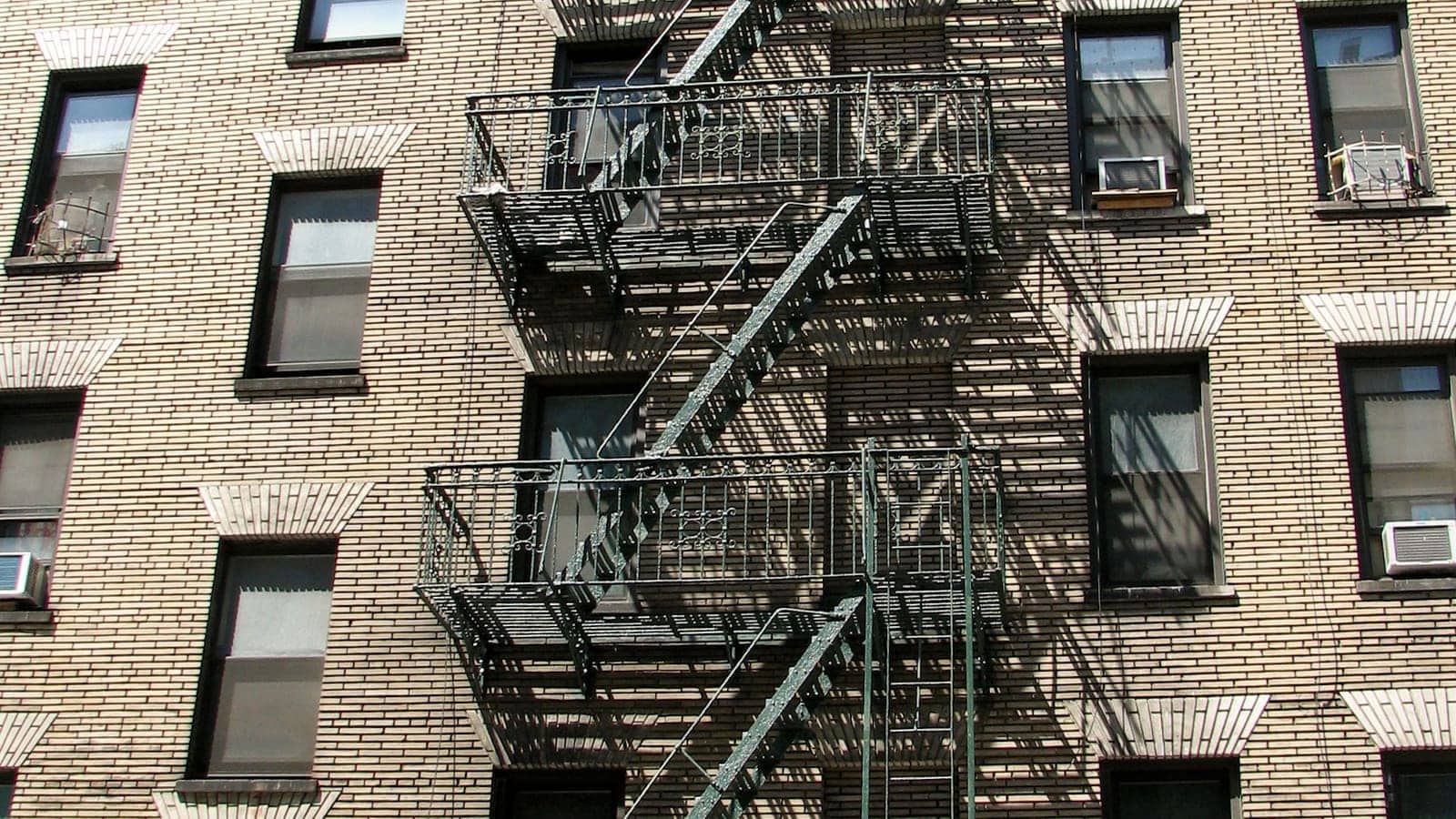

Quick answerIn New York City, as of October 7, 2026, the CityFHEPS inspection checklist is the DSS Apartment Review Checklist (DSS-10a). A unit first passes an online preclearance of building records, then a physical walkthrough, and it passes only with a "Pass" on every question. The Apartment Walkthrough Outcome form (DSS-10c) lists 64 fail items. HRA publishes no statistics on why apartments fail, so the list below is what the form checks.
Last checked: October 7, 2026, against HRA's CityFHEPS documents page and the PDFs it links: DSS-10 (10/01/2018), DSS-10a (rev. 03/12/2019), DSS-10b (rev. 03/06/2019), DSS-10c (05/10/2019), DSS-10f (05/14/2019), DSS-10h (11/13/2023), DSS-10j and DSS-10k (01/13/2025), DSS-34 (04/17/2026), DSS-8j (01/28/2026) and the Mayor's Public Engagement Unit Apartment Review List.
- 2 checkspreclearance, then walkthrough, before a lease is signed
- 3 to 5 daysHRA's stated time for preclearance results
- 64 fail itemson the DSS-10c outcome form (VoucherMatch's count)
- 7 itemsmarked ESCALATE, which send the unit to DHS
- 80 sq ftminimum size of a room used for sleeping, with a window
- 15 feetmaximum distance from a sleeping room entrance to a smoke and a carbon monoxide detector
This article is for landlords, brokers, shelter case managers and housing specialists preparing a unit. The same two checks apply to State FHEPS and SOTA units in New York City, per the header of the Website Clearance Checklist (DSS-10).
The Two Checks Every Unit Must Pass
A rental unit must pass a preclearance and then a walkthrough "before a lease is signed and the tenant can move in with rental assistance," in the words of HRA's provider FAQ (DSS-10k, 01/13/2025, page 2).
- 1Register the unitthe landlord, broker, housing specialist or case worker enters the unit and building on the DSS Offer Registration website. Time: none published.
- 2Preclearance"DSS checks for serious violations and confirms ownership." Results are emailed to the person listed as the Inspection Contact on the Offers form. Time: 3 to 5 days after submission.
- 3Rent review, alongsideDSS matches the rent against State rent records or comparable rents. Time: the State data match "can take up to 3 weeks." HRA tells providers not to wait for it before scheduling the walkthrough.
- 4SchedulingDHS uses the landlord's and broker's contact information to schedule. Providers schedule at 212-232-0560. Time: none published.
- 5WalkthroughCity or provider staff complete the Apartment Review Checklist (DSS-10a) and take photographs.
- 6Outcomethe Apartment Walkthrough Outcome (DSS-10c) records Passed, Failed or No Access to Unit Given.
- 7If it failedthe landlord gets the completed checklist by email, repairs, then contacts the provider or DHS for an additional walkthrough.
- 8If it passedthe DSS-10a and the clearance result go into the application packet.
What it means: HRA prints a time for preclearance and for the rent data match only. No published time was found for scheduling a walkthrough, for a re-walkthrough or for an escalation decision.
Sources: DSS-10k, pages 2 and 5 to 7; Rent Review FAQ, DSS-34 (04/17/2026), page 2; landlord FAQ, DSS-8j (01/28/2026), page 3; DSS-10a, page 12; DSS-10c, page 1. Compiled by VoucherMatch, October 7, 2026.
The stage-by-stage timeline from shopping letter to move-out is in how long a CityFHEPS packet takes. What goes into the packet after the walkthrough passes is in the CityFHEPS landlord package checklist.
Who performs the walkthrough and who must be present
DSS staff or contracted provider staff perform it, depending on the unit.
- DSS Clearance and Apartment Review (CAR) Unit"all ground floor and 1st floor units, basements, attics, rooms, and Single Room Occupancy (SRO) units," and other floors as needed
- Contracted provider staff"All other walkthroughs"
- Landlord or landlord representativethe DSS-10c has a line for this person's printed name and signature, and the DSS-10a says staff "can ask the landlord/landlord representative" to open, close and lock the windows
No HRA document read for this article says whether the tenant must attend. The DSS-10a applies to apartments only; its first page says not to use it for room, commercial SRO or NYCHA walkthroughs. The Mayor's Public Engagement Unit Apartment Review List, linked from HRA's page, adds that "the apartment must be vacant (e.g. no furniture in the unit)" and describes itself as general.
Why Units Fail Preclearance
A unit fails preclearance over building records and the way the unit was entered, before anyone visits. The Website Clearance Checklist (DSS-10) lists the lookups, agency by agency.
| Agency record | What the form asks |
|---|---|
| Buildings (DOB) | Open vacate orders affecting the building or the unit; a partial or full Stop Work Order; complaints "in the last four years in categories 31, 45, or 71" with listed disposition codes; whether the unit appears "to be a legal apartment as per the Certificate of Occupancy"; the year of construction |
| Finance (DOF) | "Is a building owner listed for the unit?" |
| Housing (HPD) | An open lead violation under order numbers 555, 604, 606, 607, 610, 611, 612, 614, 616, 617, 618 or 619; open litigation for heat and hot water; comprehensive litigation; the Alternative Enforcement Program with an "I Order" (number 729 "does not pass review"); the Underlying Conditions program (number 730 "does not pass review"); HPD vacate orders; 7A Administration |
| Fire (FDNY) | "Does the FDNY have an active vacate order for this property?" |
| State Health (NYS DOH) | Whether the building is on the Uncertified Facilities List or Referral Suspension List |
What it means: every line is a public lookup, so a landlord or caseworker can run them before registering the unit. The form notes that a Certificate of Occupancy, Temporary C of O, Letter of No Objection or I-Card "authorizes residential occupancy."
Source: DSS-10, pages 1 to 3, read October 7, 2026.
- Apartment numberit "must be listed on Housing Preservation & Development's (HPD) property information system (HPD Online)," or the result says the apartment is listed wrong (page 2)
- Basements"For a basement apartment to be legal, it must be listed on the Department of Buildings (DOB) Certificate of Occupancy (CO) for the building" (page 3)
- Violations"The violation(s) must be fixed," then a new preclearance request is submitted on the Offers website (page 3)
- Lead violations"DSS will accept proof of payment of the DOB and/or HPD fines along with proof of XRF lead testing or remediation" (page 3)
- Other common reasons it namesa wrong apartment description; a unit count that differs from the Certificate of Occupancy; a building in HPD's Alternate Enforcement Program; a heat or hot water violation; a Stop Work Order or Vacate Order; pre-foreclosure filing status; a landlord in litigation with HPD (pages 3 and 4)
The reason for a failure is written in the Comments section of the Clearance Result Form. If a violation is resolved but the DOB, HPD or FDNY website has not updated, DSS-10k says to email proof to the CAR Unit at apartmentoffers@dhs.nyc.gov when resubmitting. DSS-10 gives HPD's number for clearing lead violations as 212-863-5501.
Key pointDSS-10k does not mention the rent or HPD registration as preclearance items. The rent is tested in the separate rent review (DSS-34). Registration appears in the lead attestation (DSS-10f), where the owner swears the property "is currently registered with" HPD.
Walkthrough Items to Check Before the Review
The walkthrough checks every question on the DSS-10a, and the unit is approved only by "receiving a 'Pass' on all questions" (DSS-10k, page 5). The DSS-10a has 77 lettered questions in eight sections; by VoucherMatch's count 60 are scored pass or fail, and Section 7, accessibility, is "intended for information gathering only."
HRA publishes no count or ranking of fail reasons. DSS-10k calls a few reasons "common" without numbers and points to "Common Reasons for Apartment Clearance and ARC Failure (DSS-89)," which was not found on HRA's documents page. The tables below give all 64 fail items in the DSS-10c's own wording and order. That order is the form's and says nothing about frequency.
Building interior and window guards (Sections 1 and 2)
| Code | Fail wording on DSS-10c | What DSS-10a or DSS-10b asks for |
|---|---|---|
| 1a | Stairs and halls not free of hazards | No damaged surfaces, peeling paint, or loose or missing handrails |
| 1b | Stairs and halls not free of excess garbage | Nothing stored over one week; no odors; no roaches or rodents |
| 1c | No clear path to egress | No bikes, boxes or belongings blocking halls, stairs or exits |
| 1d | Insufficient lighting | Hallway visible end to end; exit signs operable |
| 1e | No working mailbox/slot | "Unique to this unit and not shared with others" |
| 1g | Fire exit is locked | 3 or more units: at least one unlocked fire exit |
| 1h | Fire exit is blocked | 3 or more units: no fire exit blocked |
| 1i | No self-closing door | 3 or more units: on the apartment entrance, building entrance and fire exit doors; "butterfly hinges are not acceptable" |
| 1j | No bell or buzzer | 3 or more units: it "must ring inside the apartment" |
| 2b | No window guards in hallway | 3 or more units and a child 10 or under: one-way screws and L brackets, opening no more than 4 inches |
| 2c | No window guards in unit | Same standard inside the unit; none on fire escape windows |
What it means: the building is scored along with the apartment, and six of these items apply only in buildings or houses with three or more units.
Source: DSS-10c, page 2; DSS-10a, pages 1 to 3; DSS-10b, pages 1 to 3.
The apartment as a whole (Section 3)
| Code | Fail wording on DSS-10c | What DSS-10a or DSS-10b asks for |
|---|---|---|
| 3a | Unit under repair, renovation, or construction | Finished unit: one under repair "is not suitable for a client" |
| 3d | Fire escape window gate(s) cannot be opened from the inside | No key or padlock on the gate |
| 3e | Window gate(s) has no FDNY stamp | FDNY approval number, opens without a key |
| 3f | Door to room with fire escape window has lock | No locks on interior doors leading to that window |
| 3g | Window(s) is not operable | Windows "open, close, and lock freely" |
| 3i | Window to ground is not lockable | Lockable from inside if reachable from the ground |
| 3j | Unit has cracked, peeling, or loose paint | All interior surfaces free of it, whatever the building's age |
| 3k | Unit was constructed in 1978 or earlier (ESCALATE) | Applies when 3j fails; year from the Certificate of Occupancy |
| 3l | Unit is not free of vermin | No evidence of rats, mice or roaches, or proof of recent extermination |
| 3m | Unit is not free of leaks | No ceiling stains, mold, mildew or leaks under sinks |
| 3n | Floor not free of hazards | Even floors, no missing tiles, no protruding nails, tight carpet |
| 3o | Holes in walls, floors, or ceilings | None |
| 3p | Sleeping rooms are not at least 80 sq ft & do not include window or skylight | Both, for every room used for sleeping, a living room included |
| 3q | Apartment door requires key to exit | "No double cylinder locks are permitted" |
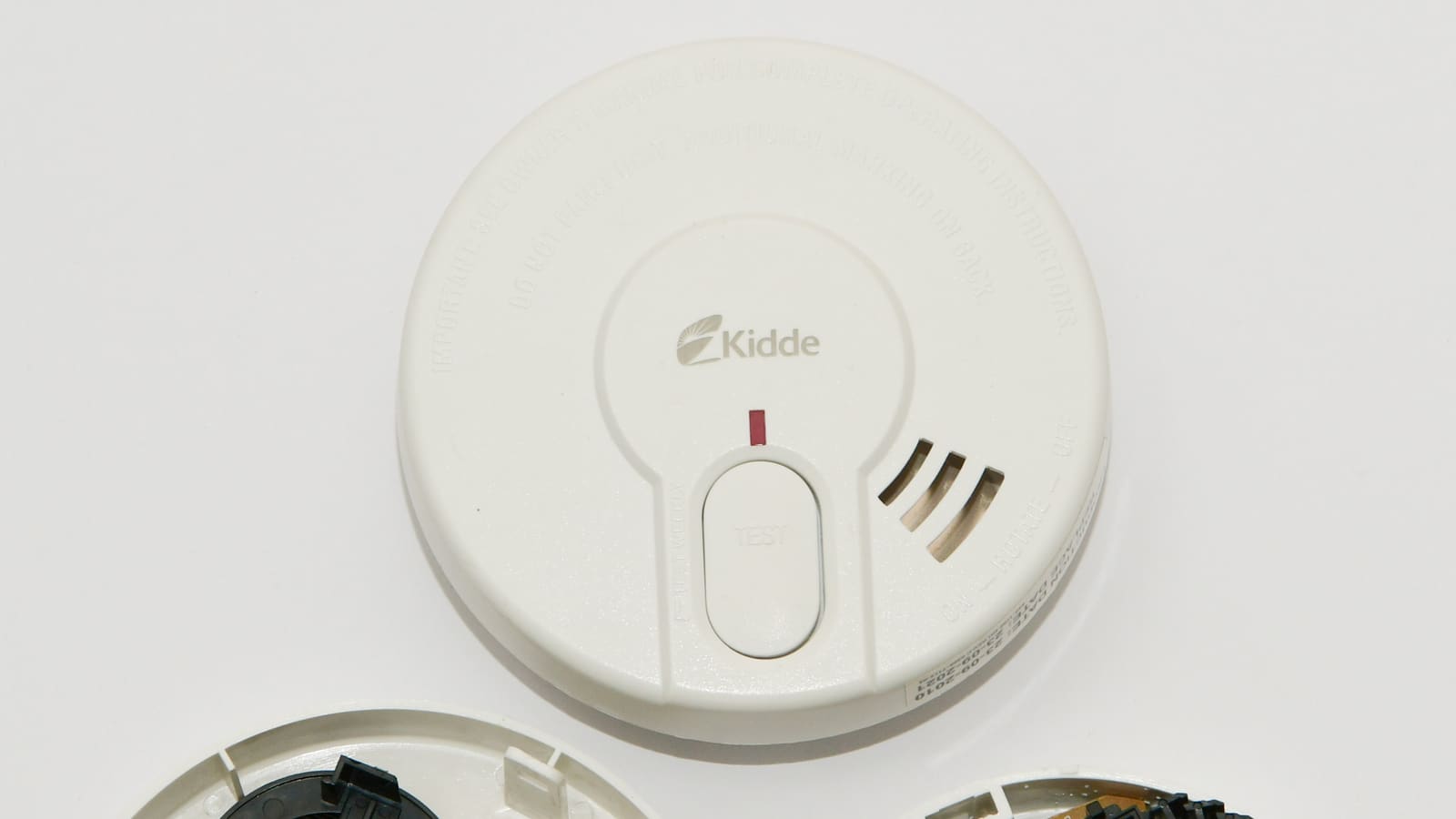
| 3r | Smoke detector is not present or is more than 15 ft from sleeping room entrance | Within 15 feet of each sleeping room entrance |
| 3s | Smoke detector is not working | Passes the test button |
| 3t | Carbon monoxide detector is not present or is more than 15 ft from sleeping room entrance | Within 15 feet of each sleeping room entrance |
| 3u | Carbon monoxide detector is not working | Passes the test button |
| 3v | Unit does not have heat source in every room | "Portable heating units are not permissible" |
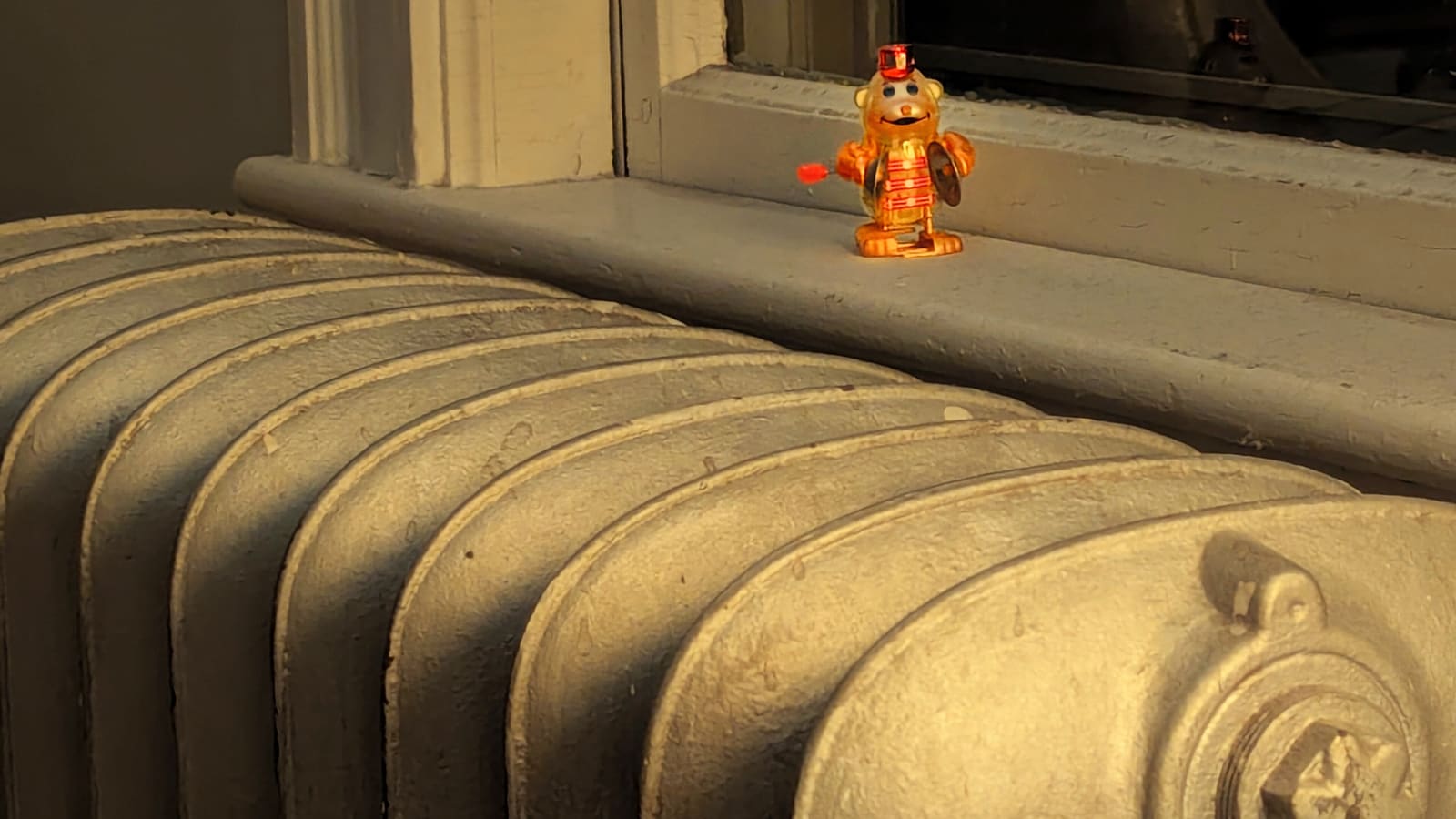
| 3x | Radiator steam is visible (ESCALATE) | No steam or moisture at the radiator or pressure valve |
| 3y | Radiator is leaking (ESCALATE) | No leaking on, under or around it |
| 3z | Radiator is missing knob or valve (ESCALATE) | Knob and valve present |
| 3aa | Unit is in basement, cellar, or attic (ESCALATE) | Not scored by the provider; referred to DHS |
| 3ab | Unit can only be accessed through another unit | Its own access |
| 3ae | Porch or balcony has no railing | Secure railing if 30 inches or more above ground |
| 3af | Unit has dropped ceiling (ESCALATE) | Referred to DHS; a drop ceiling "must be approved by the Department of Buildings" |
| 3ag | Unit has potential illegal subdivision (ESCALATE) | Referred to DHS |
| 3ah | Unit temperature is not adequate | October 1 to May 31: 68°F from 6 AM to 10 PM when it is below 55°F outside; 62°F from 10 PM to 6 AM |
What it means: Section 3 holds 28 of the 64 fail items and all seven escalations. The DSS-10a also says utilities "(gas, electricity, and water) must be connected by the landlord prior to the apartment review."
Source: DSS-10c, page 2; DSS-10a, pages 3 to 6; DSS-10b, pages 3 to 9.

Bathroom, kitchen and electrical (Sections 4, 5 and 6)
| Code | Fail wording on DSS-10c | What DSS-10a or DSS-10b asks for |
|---|---|---|
| 4a | No running hot or cold water | Sink, tub or shower and showerhead; hot water at least 120°F |
| 4b | No freely flowing water | Water flows freely |
| 4c | Water is not clean or free of rust | Clean after 60 seconds of flushing |
| 4d | Toilet is not working | "In proper working order" |
| 4e | No vent or operable window | One or the other, with airflow at the vent |
| 4f | Bathroom has plumbing leaks | None, steam leaks included |
| 5a | No running hot or cold water | Kitchen sink; hot water at least 120°F |
| 5b | Water in sink is not clean after running | Clean after 60 seconds |
| 5c | No working oven | Working oven |
| 5d | No working stove | "All burners on the stove must be working" |
| 5e | Refrigerator rails and shelves are inadequate | Adequate to the household's needs |
| 5f | Refrigerator is not cold | Between 36°F and 46°F |
| 5g | Freezer is not working | Below freezing |
| 5h | No food storage space | Cabinets, shelves or a space to store food |
| 5i | No meal preparation area | For example, counter space |
| 5j | Kitchen has plumbing leaks | None under the sink with the faucet running |
| 5k | Stove or oven has grease build-up | None under the lifted range top |
| 5l | No working vent over stove or window in kitchen | One or the other |
| 6a | Sleeping rooms lack two outlets OR one outlet plus one light fixture | Two outlets, or one outlet and one permanent light fixture |
| 6b | Outlets in kitchen and bathroom are not GFCI outlets | A reset button on any outlet within 4 feet of a water source |
| 6c | Fixtures and electrical devices are not secured or lack plate covers | Secure, with plate covers |
| 6d | Unit has exposed wires | None; cable box wires do not count |
| 6e | Unit has wires in or near standing water | None |
What it means: DSS-10k adds that a walkthrough "will fail if" the stove "does not turn on without the use of an external lighter" (page 6).
Source: DSS-10c, page 2; DSS-10a, pages 7 to 9; DSS-10b, pages 9 to 11.
Section 8 closes the form with two more fail items: 8a, "Other issue," and 8b, "Not approved for rent." DSS-10k also requires a house number on the building and the apartment number on the outside of the apartment (page 6).
The City rules the forms cite
The forms name a law for only some items.
- Lead paintthe DSS-10f cites Housing Maintenance Code sections 27-2056.4, 27-2056.8 and 27-2056.11, 28 RCNY sections 11-05 and 11-06, and Local Law 1 of 2004. DSS-10k adds that Local Law 31 of 2020 required testing in pre-1978 buildings by August 31, 2025. The NYC lead paint guide explains those rules.
- Window guardsDSS-10b says only "Under law," for buildings with three or more units, children 10 and under, and "windows that are more than six feet off the ground." The window guard guide has the City rule.
- Fire exitsthe DSS-10a defines a fire exit "per NYC fire code."
- Smoke and carbon monoxide detectorsthe forms set the 15-foot test and cite no law for it.
- Housing maintenance codeDSS-10k uses the term once, for the class "B" and class "C" violations that put a building in HPD's Alternate Enforcement Program.
Escalations: When a Walkthrough Goes to DHS
Seven items on the DSS-10c are marked ESCALATE, and provider staff cannot pass a unit on them: the provider emails the completed DSS-10a to apartmentoffers@dhs.nyc.gov.
| Escalation | Codes | What the form says happens |
|---|---|---|
| Peeling paint, building from 1978 or earlier | 3j with 3k | Email DHS with the subject line "Paint Condition," "even if the apartment failed for other reasons" |
| Radiator | 3x, 3y, 3z | "If the landlord subsequently repairs the condition," send the completed checklist with the subject line "Escalation" for approval |
| Basement, cellar or attic | 3aa | "The unit cannot pass at this time"; email for approval |
| Drop ceiling | 3af | "The unit cannot pass at this time"; email for approval |
| Illegal subdivision | 3ag | "The unit cannot pass at this time"; email for approval, with the reasons |
What it means: for basements, drop ceilings and suspected subdivisions the decision belongs to DHS's CAR Unit, and no decision time is published.
Source: DSS-10a, boxes 9 to 13; DSS-10k, page 5.
DSS-10b lists signs of an illegal subdivision, among them a window or radiator shared by two rooms, a dividing wall that "does not reach the ceiling," and a wall with no electrical outlets (page 9).

A fail versus a repair: what the forms allow
The forms have no "pass with repairs" result. The DSS-10c offers three outcomes, Passed, Failed and No Access to Unit Given, and states: "Failed conditions will require an additional walkthrough."
- Ordinary fail itemthe landlord repairs it and contacts the provider "when the unit is ready" for another walkthrough
- Any item marked ESCALATEthe landlord contacts DHS, not the provider (DSS-10c, page 1)
- Paint, building from 1978 or earliera re-walkthrough happens only after the landlord submits the sworn Attestation of Compliance (DSS-10f), which includes a dust wipe clearance test by "an independent, certified inspector"
- Who re-walks a paint failDHS "if there are children under 6 in the household"; otherwise the provider (DSS-10b, page 4)
- Paint, building from 1979 or laterno escalation, "but the landlord must remediate the issue"
No HRA document read says photographs or receipts can replace the additional walkthrough. Proof by email is described only for preclearance violations and, for radiators, as the repaired checklist sent to DHS for approval.
How to Pass on the First Try
Walk the unit with the DSS-10a before the official visit, because the official visit uses the same questions.
- Records first (DSS-10). run the DOB, DOF, HPD, FDNY and State Health lookups, and confirm the apartment number on HPD Online
- Utilities. gas, electricity and water connected; work finished (3a)
- Detectors (3r to 3u). measure 15 feet from each sleeping room entrance; press each test button
- Sleeping rooms (3p, 6a). measure 80 square feet; a window that opens; two outlets, or one outlet and a permanent light
- Paint (3j, 3k, 1a). no cracked, peeling or loose paint in the unit or halls; know the year on the Certificate of Occupancy
- Doors (1i, 3q). self-closers in a building of three or more units; no double cylinder lock
- Windows (2b, 2c, 3d to 3i). guards if a child 10 or under will live there; FDNY-stamped gate on the fire escape window, no padlock
- Heat (3v to 3z, 3ah). a permanent heat source in every room; radiator knobs and valves present, no steam or leaks
- Water (4a to 4c, 5a, 5b). run taps 60 to 90 seconds; hot water at 120°F
- Kitchen (5c to 5l, 6b). every burner lights without a lighter; no grease under the range top; refrigerator at 36°F to 46°F; GFCI outlets within 4 feet of water
- Pests and leaks (3l, 3m). no droppings or stains; keep the extermination receipt
- Building (1b to 1j). unit's own mailbox; working buzzer; house number and apartment number posted
Walkthrough photographs are not submitted with the packet, but they "must be saved and provided to DSS upon request" (DSS-10k, page 6). For provider staff, the DSS-10a gives 212-232-0560 for technical support, 9 AM to 5 PM, Monday through Friday, and DSS-10k gives the DHS Rehousing Customer Service Call Center, 929-470-3052.
- New HPD or HDC financed constructionan executed G704 Certificate of Substantial Completion with an HPD cover sheet replaces the preclearance and the walkthrough at initial occupancy. It does not cover re-rentals, units with a tax exemption only (such as 421-a) or HPD preservation and rehab units (DSS-10j, 01/13/2025).
- Outside New York Cityunits "do not require preclearance, but do require walkthroughs," in person or virtual, on the outside-NYC checklist (DSS-10h) (DSS-10k, page 4).
How This Differs From a Section 8 Inspection
A CityFHEPS walkthrough is run by DSS or its contracted providers on the City's own DSS-10a, while a Section 8 inspection is run by the housing agency (NYCHA or HPD) on federal housing quality standards.
For Section 8, see the Section 8 inspection checklist for NYC, the HPD Section 8 inspection checklist and the NSPIRE guide, which covers the federal smoke alarm rule. The owner's other CityFHEPS duties are in the CityFHEPS landlord requirements guide.
Frequently Asked Questions
Is there a CityFHEPS inspection checklist?
Yes. It is the Apartment Review Checklist, form DSS-10a, with guidance in DSS-10b. Both are on HRA's CityFHEPS documents page under "Pre-Clearance and Walk-through." HRA's word for the inspection is walkthrough.
How long does preclearance take?
DSS-10k says results "will be emailed 3-5 days after preclearance submission," to the Inspection Contact on the Offers form. No published time was found for scheduling the walkthrough that follows.
Can a unit pass with a portable heater?
No. The DSS-10a asks for a heat source in every room and states that "portable heating units are not permissible."
Does the whole building need to pass, or just the apartment?
Both. Section 1 of the DSS-10a scores the building interior: stairs and halls, garbage, egress, lighting, the mailbox and, in buildings of three or more units, fire exits, self-closing doors and the buzzer.
What happens after a failed walkthrough?
The landlord receives the completed checklist by email, makes the repairs, and an additional walkthrough is required. The DSS-10c says whether to contact the provider or DHS; any item marked ESCALATE goes to DHS.
Who fills out the walkthrough forms?
City or provider staff complete the DSS-10a. The DSS-10c is signed by the person who completed the walkthrough and has a signature line for the landlord or the landlord's representative.
Next step: print the DSS-10a and walk the unit with it before anyone schedules the official visit. Caseworkers tracking walkthroughs and packets for a full caseload can use VoucherMatch for organizations and the caseworker resource library. Landlords with a unit that is ready can list it on VoucherMatch, where tenants search apartments that accept CityFHEPS.
Sources for this article (13)
- CityFHEPS documents page (nyc.gov)
- Website Clearance Checklist (DSS-10) (nyc.gov)
- DSS-10k (nyc.gov)
- DSS Offer Registration website (a071-dhsapps.nyc.gov)
- DSS-10a (nyc.gov)
- Apartment Walkthrough Outcome (DSS-10c) (nyc.gov)
- Rent Review FAQ, DSS-34 (nyc.gov)
- landlord FAQ, DSS-8j (nyc.gov)
- Apartment Review List (nyc.gov)
- DSS-10b (nyc.gov)
- Attestation of Compliance (DSS-10f) (nyc.gov)
- DSS-10j (nyc.gov)
- outside-NYC checklist (DSS-10h) (nyc.gov)
Stay Updated on Housing
Get the latest on fair market rents, voucher programs, and finding housing.
No spam, ever. Unsubscribe anytime.
VoucherMatch Editorial Team
Every rule, date and dollar amount in this article is checked against the agency document it comes from, and the sources are listed above. How VoucherMatch articles are researched and corrected
Find apartments
Listings on VoucherMatch come from landlords who say up front which vouchers they accept.
Related Articles
CityFHEPS Landlord Package: Every Form (DSS-8f, DSS-8g)
CityFHEPS landlord package and documents: DSS-8f and DSS-8g page by page, every form with its revision date, who signs, how it is submitted, and a checklist.
9 min readCityFHEPS Renewal Form (DSS-7e), Phone Number and Delays
The CityFHEPS renewal form is DSS-7e. Submit it on ACCESS HRA, by email or mail, or call 718-557-1399. What to send and what to do if it is late.
9 min readHow Long Does CityFHEPS Take in Shelter? Times by Stage
How long does it take to get a CityFHEPS voucher in the shelter? Every time the City publishes, stage by stage: 120 days, 3 to 5 days, 28 days, and the gaps.
8 min readCurrent NYC Landlord Portal (CurRentNYC): Login and Sign-Up
Current NYC landlord portal (current.nyc.gov): who HRA lets register, how the invitation and approval work, what landlords can do there, and who to call.
7 min readHow to Become a CityFHEPS Broker in NYC: License and Forms
How to become a CityFHEPS broker in NYC: no HRA registration found, just a New York license (77 hours, exam, $65), the broker page of the packet and HRA-121.
8 min readCityFHEPS Broker Fee 2026: What HRA Pays and Who Qualifies
Does CityFHEPS pay a broker fee? HRA forms say up to 15% of annual rent on form HRA-121. Who qualifies, the paperwork, FHEPS and HASA, and the FARE Act.
9 min readExplore the caseworker workspace
Keep your client’s housing search moving with practical guides and the right workspace.