Section 8 Inspection Checklist NYC: What HQS Inspectors Check

For a practical room-by-room preparation and repair log, use the inspection walkthrough. This NYC reference covers agency standards, correction periods and contacts.
Quick answerIn New York City, as of October 2026, NYCHA and HPD still inspect Section 8 apartments under HUD's Housing Quality Standards (HQS). The inspector checks heat, hot and cold water, the stove, oven and refrigerator, wiring, window locks, paint, and smoke alarms, which must be hardwired or have sealed 10-year batteries. Life-threatening failures must be fixed in 24 hours. Other repairs get 30 days at HPD and up to 90 days at NYCHA.
- 24 hoursto fix a life-threatening failure, at NYCHA and HPD
- 21 daysNYCHA deadline for window guard violations
- 30 daysHPD deadline for other repairs
- 90 daysNYCHA deadline for other repairs after a periodic inspection
- December 29, 2024hardwired or sealed-battery smoke alarms became mandatory
- February 1, 2027HUD's NSPIRE standards become mandatory for vouchers
October 12, 2026 reconciliation: clarified inspection frequency and cross-linked the practical walkthrough. HUD’s current PIH 2026-18 implementation notice retains the February 1, 2027 voucher compliance date; the detailed agency review above was completed October 4.
Is it still HQS, or NSPIRE, in October 2026?
It is still HQS at NYCHA and HPD. HUD has pushed the NSPIRE deadline for voucher programs to February 1, 2027, while federal smoke and carbon monoxide alarm requirements already apply during the transition. Other agencies can adopt NSPIRE before the deadline; HCR has done so.
- May 11, 2023HUD publishes the NSPIRE final rule, effective October 1, 2023.
- October 1, 2024, then October 1, 2025the first two delayed compliance dates for voucher programs.
- December 29, 2024the federal smoke alarm law takes effect, whatever checklist the agency uses.
- September 30, 2025HUD publishes a third extension.
- February 1, 2027voucher agencies must inspect under NSPIRE. NYCHA's plan adds "unless extended by HUD".
What it means: an inspection at NYCHA or HPD in 2026 is an HQS inspection with the newer alarm rules added.
Source: HUD compliance date notice, September 30, 2025; NYCHA Administrative Plan, May 2026.
- NYCHAHQS. "NYCHA will continue to follow Housing Quality Standards for inspections" during HUD's extension (NYCHA owners page).
- HPDHQS, plus the NYC Housing Maintenance Code and the state Multiple Dwelling Law in the same visit (HPD inspections page). HPD has not published a date for NSPIRE.
- HCR (state)NSPIRE. Its Administrative Plan, Version 2026-2 dated October 1, 2026, says "HCR adopted NSPIRE inspection standards effective on January 1, 2025" (section 8-I.A). The plan is statewide and HCR's pages do not describe New York City inspections separately, so ask your local administrator.
For what changes when the switch comes, see the NSPIRE inspections guide.
What HQS Inspections Cover
The inspector goes room by room, then through the public areas and exterior, looking for anything unsafe, unsanitary or broken. HUD's form sets the baseline and each agency adds local rules.
| Area | What the inspector needs to see |
|---|---|
| Living room and bedrooms | Two working outlets, or one outlet and one permanent light fixture. A window in every room used for sleeping; if it is built to open, it must open. |
| Bedroom size | NYCHA does not count a room under 80 square feet as a bedroom. |
| Kitchen | Stove or range with top burners and an oven, a refrigerator that keeps food cold, a sink with hot and cold water, space to prepare and store food, one working outlet and one permanent light. |
| Bathroom | A private flush toilet, a sink and a tub or shower with hot and cold water, a permanent light, and a window that opens or a working vent. |
| Windows and doors | Every window or door reachable from outside must lock. No missing or broken-out panes, and windows must close with a reasonably tight seal. |
| Electrical | No exposed or frayed wiring, no missing cover plates, no badly cracked outlets, no overloaded circuits. |
| Heat and hot water | Heating equipment able to heat the unit, no unvented fuel-burning space heaters, and a water heater with a relief valve and discharge line. |
| Ceilings, walls, floors, stairs | No large holes, buckling or falling material. A handrail on stairs of, generally, four or more consecutive steps. |
| Building | An alternative fire exit that is not blocked, no rats or severe infestation, no heavy piles of garbage. |
What it means: the test is whether each item is present and works, so a small cosmetic flaw is not a failure on its own.
Source: HUD form 52580-A, edition 07/19; NYCHA Housing Quality Standards.
Two local rules sit on top of the form. NYCHA requires ground-fault (GFCI) outlets within 6 feet of a water source in kitchens and bathrooms of newer or renovated buildings; its pages disagree on which room has the 1986 cutoff and which has 1996. City law requires 68 degrees inside by day when it is below 55 outside, and 62 at night, from October 1 through May 31 (HPD).
Key pointHPD inspectors also write city code violations on the same visit, and the earliest correction date on the notice controls. See the VoucherMatch HPD inspection checklist.
The Smoke and Carbon Monoxide Detector Rules
Every Section 8 unit needs smoke alarms that are hardwired or run on a sealed 10-year battery, and this has been federal law since December 29, 2024. A missing or dead alarm is a 24-hour violation at NYCHA.
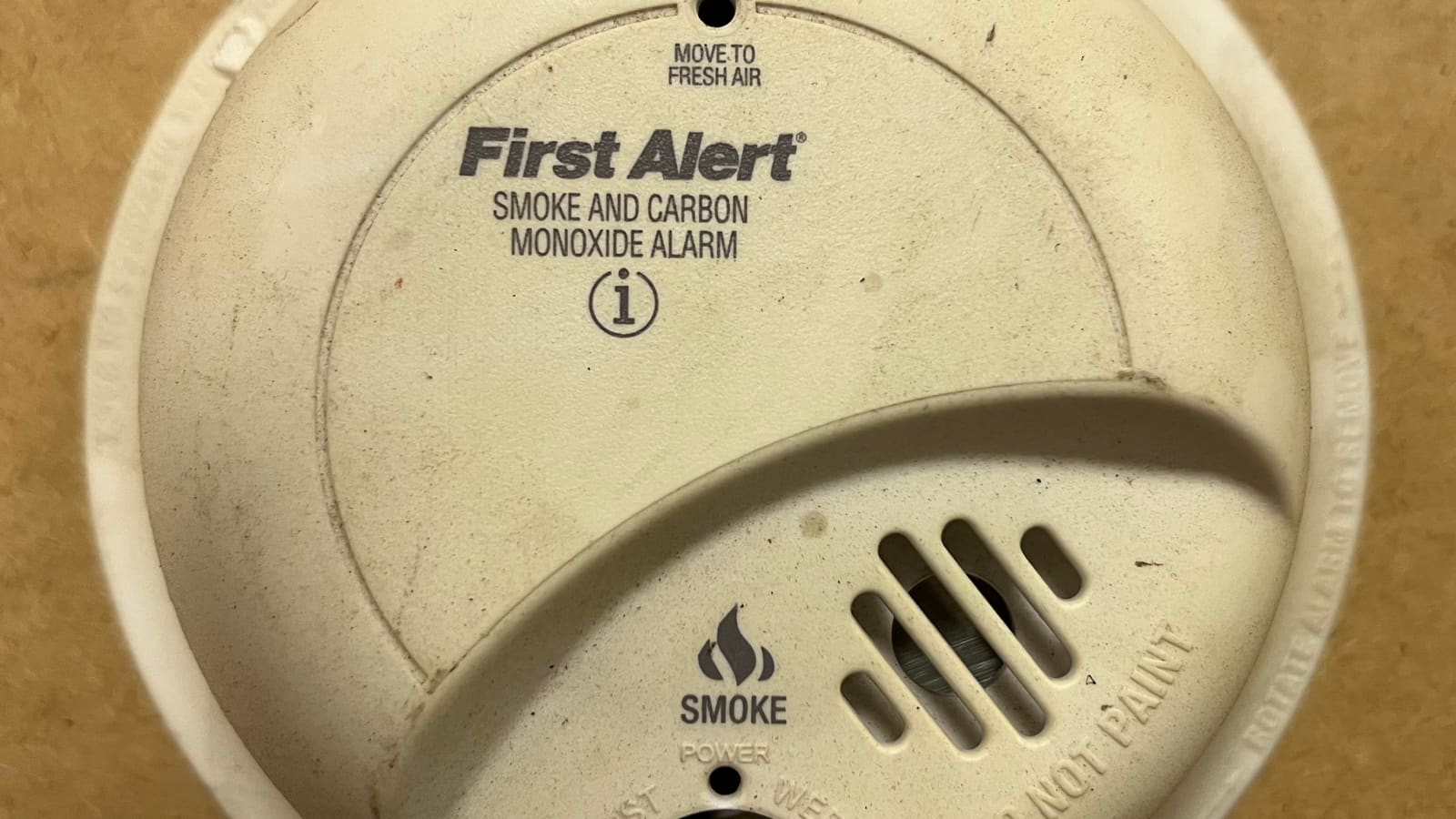

- Power source. hardwired, or a sealed, tamper-resistant 10-year battery with a silence button (42 U.S.C. 1437f(o)(22))
- Newer buildings. hardwired only, if the unit was built or substantially rehabilitated after December 29, 2022
- Where. each level of the unit and the building, inside each bedroom, and outside each sleeping area
- Distance. within 21 feet of any bedroom door and at least 10 feet from a cooking appliance
- Mounting. on the ceiling at least 4 inches from the wall, or on the wall 4 to 12 inches below the ceiling
- Hearing-impaired tenants. an alarm designed for people with hearing loss
- Carbon monoxide. an alarm in any unit with a fuel-burning appliance or fireplace, a forced-air furnace, or an attached garage alongside
- Carbon monoxide power. hardwired with battery back-up, unless the code in force when the building went up did not require hardwiring
What it means: an alarm with a replaceable battery fails even if it sounds when tested.
Source: NYCHA Housing Quality Standards; HUD NSPIRE smoke alarm standard; HPD.
Common Reasons Units Fail
Alarms, electrical items and windows cause most failures, according to the lists NYCHA and HPD publish for owners.
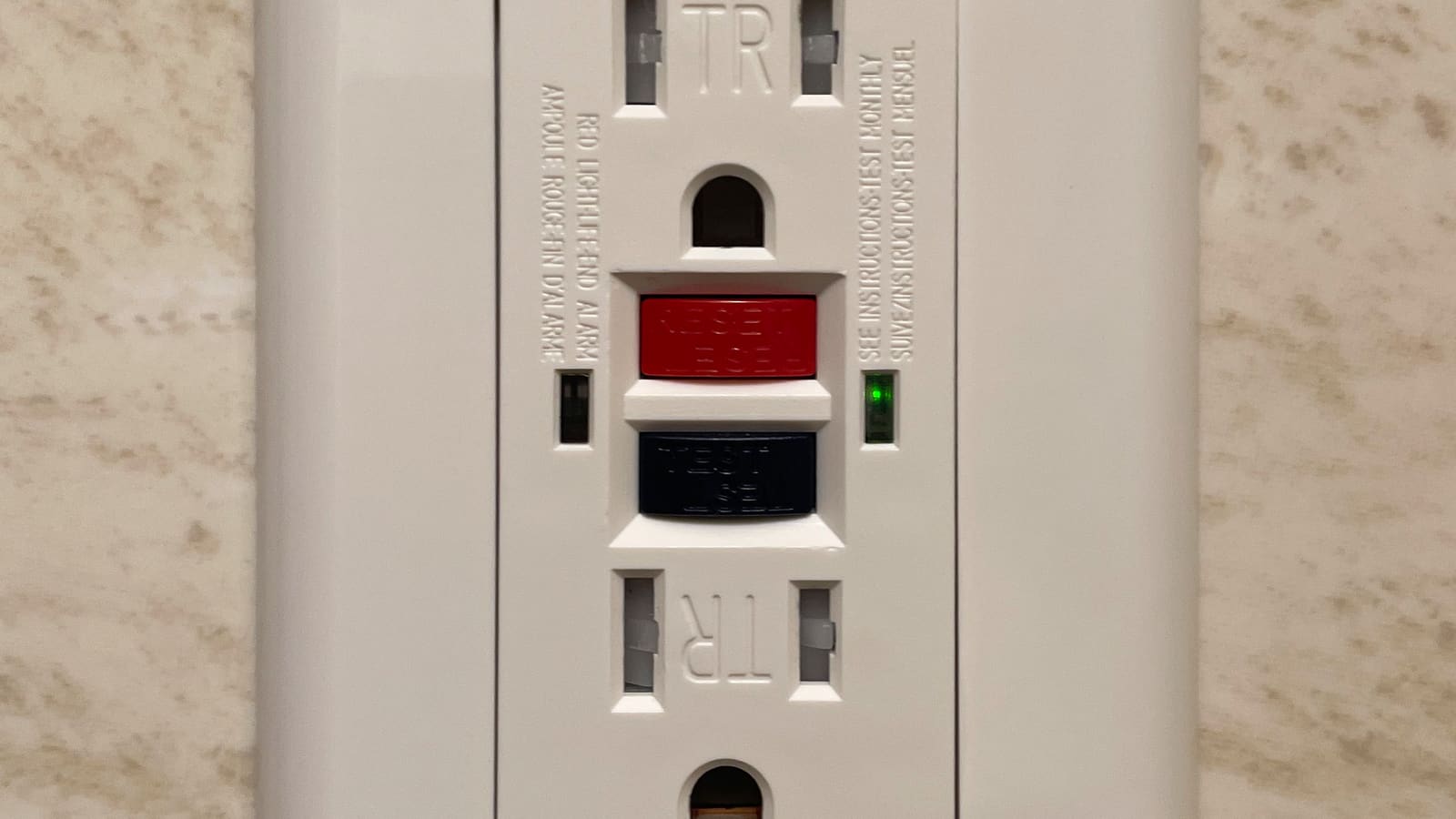
- NYCHAmissing GFCI outlets, exposed wires, loose light fixtures, open slots in breaker boxes, missing window guards, damaged ceilings, broken or uneven floors, and alarms that are missing, misplaced or without sealed batteries (NYCHA owner guide).
- HPDmissing or broken smoke detectors, missing outlet covers, and defective windows with no window stops or broken balances (HPD).

Three more causes are specific to New York City:
- Window guards. City law requires them in buildings of three or more apartments where a child 10 or younger lives, in the apartment and in public hallway windows (NYC Health).
- Peeling paint. NYCHA cites peeling, cracked or chipped paint in buildings built before 1978. For tenant-based vouchers it is a lead violation where a young child lives, and federal rules give the owner 30 days to stabilize it (24 CFR 35.1215). See the lead paint guide.
- No access to public areas. At HPD, a locked basement or boiler room fails the building, and every apartment inspected that day or later fails with it until the item is cleared.
HUD's form also names defects that should pass on their own:
- A burned-out bulb in a working fixture
- Small holes or cracks in walls and ceilings, water stains, missing ceiling tiles
- A worn or scratched floor surface
- A dripping kitchen faucet
- A minor crack in a window pane, if the window is still weather-tight
HPD can still write a city code violation for some of these.
Landlord Responsibilities vs. Tenant Responsibilities
The owner fixes the building and its systems; the tenant fixes what the household broke, blocked or shut off. The failure notice says which party each item belongs to.
| Owner | Tenant |
|---|---|
| Structure, wiring, plumbing and heat | Damage beyond normal wear and tear |
| Installing smoke and carbon monoxide alarms | Keeping alarms working; replacing one the household removed or damaged |
| Window guards and window locks | Window guards the household took out |
| Owner-supplied stove and refrigerator | No electricity or gas when the tenant pays that utility |
| Lead paint hazards | A blocked fire escape or exit, or an illegal gate on a fire escape window |
| Public areas and exterior | Heavy kitchen grease, piled refuse, a double cylinder lock on the exit door |
What it means: when every failed item is tenant-caused, the owner's subsidy is not suspended.
Source: HPD inspections page; NYCHA tenant guide; NYCHA Administrative Plan.
Watch outTenant-caused failures can cost the voucher after 30 days.A tenant has 30 calendar days to fix a tenant-caused item, or 24 hours if it is hazardous. After that, NYCHA and HPD start termination of the voucher.
Inspection Types and Timing
A unit is inspected before move-in and then at least every two years. A unit that fails a NYCHA biennial inspection goes onto a yearly schedule until it passes.
| Inspection | When it happens | Who starts it |
|---|---|---|
| Initial (new rental or transfer) | Before move-in. NYCHA schedules it within five business days of an approved rental packet. | NYCHA or HPD, once the paperwork is accepted |
| Periodic (biennial) | Within 24 months of the last one at NYCHA. HPD's plan says at least every two years; its web page says annually. | The agency, by appointment letter |
| Special or complaint | Between regular inspections | The tenant, after telling the owner about the problem. HPD takes complaints through 311. |
| Quality control | Any time | The agency |
| Re-inspection | After a failure | HPD schedules it automatically for day 30. At NYCHA the owner requests it. |
What it means: NYCHA uses a biennial routine cycle with annual follow-up after a failure. HPD’s public webpage and plan describe different routine intervals; follow the appointment notice and ask HPD to resolve a scheduling question. Special and quality-control visits can occur between routine inspections.
Source: NYCHA HQS Inspections; NYCHA Administrative Plan; HPD Administrative Plan; 24 CFR 982.405.
A quality control inspection is a random second look that HUD requires of every agency. If NYCHA finds a repair that was certified but never made, the unit fails and the owner can lose the right to self-certify.
NYCHA's inspector will not enter an occupied unit unless someone 18 or older is home. Results appear in the tenant's Self-Service Portal 24 hours later, and failures are mailed to tenant and owner.
What Happens When a Unit Fails
The agency sends the owner and tenant a list of violations, each with a deadline, and stops paying the owner if an owner-caused item is still open when the deadline passes.
| Failure | NYCHA, periodic inspection | NYCHA, new rental | HPD |
|---|---|---|---|
| Life-threatening | 24 hours | Fixed and re-inspected before the rental is approved | 24 hours |
| Window guards | 21 calendar days | Not published separately | Not published separately |
| Everything else | 90 calendar days | 30 calendar days from the contract date, if the tenant accepts the unit | 30 days, or an extension HPD approves in writing |
| Payment stops | First of the month after the deadline | Withheld after day 30, abated at day 90 | First of the month after the deadline |
What it means: NYCHA gives more time than HPD for ordinary repairs, but pays nothing back once the deadline is missed.
Source: NYCHA HOTMA HQS FAQ, rules effective April 1, 2025; NYCHA Administrative Plan; HPD Administrative Plan.
NYCHA's owner guide still shows the old 30-day figure. Its FAQ, tenant guide and Administrative Plan all say 90.
Both agencies publish lists of what counts as life-threatening:
- NYCHA: gas leak; smoking, sparking or exposed wiring; missing or inoperable smoke or carbon monoxide alarms; no second way out; illegal gates on fire escape windows; severe fire damage; a building in danger of collapse (NYCHA HQS FAQ).
- HPD: gas leaks, smoking or sparking outlets or wiring, and a building in danger of collapse, plus other conditions it judges severe.
View the data table
| Failure type | Subsidy abated | Tenant offered a transfer voucher | Contract terminated |
|---|---|---|---|
| Life-threatening | 1 | 30 | 60 |
| Window guards | 21 | 80 | 80 |
| Everything else | 90 | 90 | 180 |
What it means: a missed deadline starts a clock that ends with the tenant moving and the contract cancelled. NYCHA's Administrative Plan words the transfer trigger differently, as 60 straight days of abatement; the FAQ's figures are shown.
Source: NYCHA HOTMA HQS FAQ, questions 10 to 12; the 24-hour deadline is shown as 1 day.
At HPD, abatement runs until the repair is certified or verified. HPD may end the contract if repairs are not made within 90 days and must end it after 180 days of abatement.
- 1Read the noticethe NE-1 letter lists unit violations and the NE-1PS lists public space violations.
- 2Make the repairinside the deadline for that type of violation.
- 3Certify on the Owner Extranetsubmit form NE-2 signed by owner and tenant. Without the tenant's signature, attach a work order or paid invoice showing the address and unit, the completion date and the work done.
- 4Or ask for a re-inspectioncall 718-707-7771, Monday to Friday, 8 a.m. to 4 p.m. NYCHA aims to re-inspect within 21 business days.
- 5Expect a checkNYCHA may inspect to confirm, and rejects a certification the tenant disputes.
What it means: until further notice NYCHA accepts this certification even for 24-hour violations, which it used to re-inspect every time.
Source: NYCHA HQS FAQ; NYCHA Administrative Plan.
HPD owners certify on paper, notarized, or through eCertification. HPD does not take self-certification for lead violations, tenant-caused items, vacant units, initial inspections or repairs the tenant disputes.
Watch outFalse repair certification is a crime.HPD suspends payment back to the first of the month after the original due date and blocks further certification of that item. NYCHA can recoup payments and bar the owner from self-certifying. Neither agency's pages state a fine amount.
An owner may not end a tenancy because the subsidy was withheld or abated (24 CFR 982.404), and HPD's abatement notice tells the tenant they do not owe HPD's share. The guide to failing a Section 8 inspection follows the tenant's side.
NYCHA's Retroactive Payment Policy
NYCHA no longer pays back subsidy lost to a failed inspection. The old policy, which could release up to six months of payments once a unit passed, ended on April 1, 2025.
| Situation | Is the lost subsidy paid back? |
|---|---|
| NYCHA periodic inspection, repaired and confirmed before the deadline | Nothing is lost |
| NYCHA periodic inspection, repaired after the deadline | No. Payments restart going forward only. |
| NYCHA new rental with accepted repairs, fixed between day 31 and day 90 | The withheld payments may be released |
| NYCHA new rental with accepted repairs, fixed after day 90 | No |
| HPD emergency failure, repair verified | Yes, back to the date the repair was documented, if HPD is told within 60 days of the repair |
What it means: at NYCHA the only way to keep the money is to certify before the deadline.
Source: NYCHA HOTMA HQS FAQ; HPD Administrative Plan, section 8.15.
ExampleA hypothetical NYCHA biennial inspection on March 3 fails for a broken window lock. Ninety days later is June 1. If the repair is still unconfirmed, abatement starts July 1 and lasts until NYCHA verifies the fix. None of that period is paid back.
How to Prepare: Landlord Pre-Inspection Checklist
Walk the unit and the public areas about a week ahead, while there is still time to bring in an electrician or plumber. The Pre-Inspection Checklist tool helps you prepare the unit.
- Alarms. press every test button; replace any alarm with a removable battery
- Kitchen. burners, oven, refrigerator, hot and cold water, drain, outlet and light all work
- Bathroom. toilet, sink and tub work and drain; light works; window opens or fan runs
- Electrical. cover plates everywhere, no exposed wires, no open breaker slots, GFCI outlets near water
- Windows and doors. bedroom windows open, everything locks, no broken panes, window guards where a child 10 or younger lives
- Paint. nothing peeling or chipping in a building built before 1978
- Stairs and floors. no trip hazards; handrails on runs of four or more steps
- Heat and hot water. heat in every room; relief valve and discharge line on the water heater
- Building. fire exits clear, no garbage piles, basement and boiler room unlocked for the inspector
How to Prepare: Tenant Pre-Inspection Checklist
Do your own walkthrough and tell the owner what needs fixing before the inspector comes, as NYCHA asks tenants to do.
- Test the alarms. press each test button, and never remove or cover an alarm
- Clear the exits. nothing blocking the fire escape window, the fire escape or the door
- Check utilities. electricity and gas are on if the account is in your name
- Clean the stove. heavy grease is a tenant-caused failure
- Leave window guards in place. removing them is a tenant-caused violation
- Report repairs. tell the owner in writing about anything broken
- Be home. you or another adult 18 or older must let the inspector in
- Open every room. a room the inspector cannot enter counts against you
After a failure, you must let the owner in to make repairs. Refusing can cost you the voucher. If the owner will not fix a serious problem, ask your agency for a special inspection.
Rescheduling an Inspection
You can move an appointment once, with at least 48 hours' notice, at either agency.
- NYCHA tenantsuse the Self-Service Portal or call 718-707-7771 at least 48 hours ahead. NYCHA allows one reschedule of a regular inspection and treats a later cancellation as a missed appointment.
- NYCHA owners, new rentalscall the Customer Contact Center at 718-707-7771.
- HPD tenantsone cancellation in any 12 months, with more than 48 hours' notice. HPD will not honor a later request without proof of good cause.
Missing inspections puts the voucher at risk. HPD treats two failures to give access in 12 months as a breach of family obligations. NYCHA says the same of two separate attempts.
Non-Life-Threatening (NLT) Waiver for New Rentals
NYCHA can approve a new rental that failed only for non-life-threatening items, if the tenant agrees to move in while the repairs are made.
- 1Inspectionthe unit fails, with no life-threatening items on the list.
- 2Tenant decidesaccept the unit with the listed conditions, or decline and keep searching.
- 3Contract startsNYCHA signs the HAP contract and begins paying.
- 4Day 30repairs are due, counted from the contract's effective date. After this NYCHA withholds payment.
- 5Day 60if still unrepaired, the tenant is issued a transfer voucher.
- 6Day 90the subsidy is abated and withheld money is no longer recoverable.
- 7Day 180NYCHA terminates the contract.
What it means: the waiver gets a tenant housed sooner, and the owner still has a hard 30-day deadline.
Source: NYCHA HOTMA HQS FAQ, questions 2, 8 and 9; 24 CFR 982.405(j).
HPD's Administrative Plan does not describe an NLT option. There, the owner reports the repair and asks for a second inspection.
Contact Information
Call the agency that issued the voucher; each runs its own inspection office.
| Agency | For | Contact |
|---|---|---|
| NYCHA | Scheduling, rescheduling, re-inspection requests | Customer Contact Center, 718-707-7771 |
| NYCHA | Owner certifications and results | Owner Extranet |
| NYCHA | Tenant results and rescheduling | Self-Service Portal |
| HPD | Abatements, reinstatements, new inspection requests | HQS Unit, 917-286-4300 |
| HPD | Appointments and correction periods, Brooklyn, Queens and Staten Island | Code Enforcement, 212-863-5416 |
| HPD | Appointments and correction periods, Manhattan and the Bronx | Code Enforcement, 212-863-5502 |
| HPD | Owner inspection notices and failure details | DTR Owner Portal |
| HCR | Portal help; inspection details are in the MyHousing Portal | Call center, 833-791-2748 |
What it means: HPD splits inspection questions between Code Enforcement, which does the visit, and the HQS Unit, which controls the payment.
Source: NYCHA HQS Inspections; HPD inspections page; HCR Section 8 page.
Resources
The two HUD documents behind every inspection, and one related guide:
- HUD form 52580-A: the HQS inspection form with instructions, edition 07/19
- HUD NSPIRE page: the standards that apply from February 1, 2027, with HUD's optional voucher checklist
- HPD vs NYCHA Section 8: how the agencies differ beyond inspections
Frequently Asked Questions
What do Section 8 inspectors look for in an NYC apartment? They check that each room has what HUD's form requires and that it works: heat, hot and cold water, cooking appliances, safe wiring, locking windows, intact paint and compliant smoke alarms. They also check public areas and the exterior.
What kind of smoke detectors are required for Section 8? Hardwired alarms, or alarms with a sealed, tamper-resistant 10-year battery, since December 29, 2024. Units built or substantially rehabilitated after December 29, 2022 must be hardwired.
What are the most common reasons a Section 8 inspection fails? Alarms, electrical items and windows. NYCHA and HPD both list missing or broken smoke alarms; NYCHA adds GFCI outlets, exposed wires, window guards, ceilings and floors, and HPD adds outlet covers and defective windows.
- Not a failure on HUD's form: a burned-out bulb, a dripping faucet, small wall cracks
Is the landlord or the tenant responsible for a failed Section 8 inspection? It depends on the item: the notice assigns each violation to the owner or the tenant. The notice identifies responsibility and deadlines. Tenant-caused nonemergency items generally have a 30-day correction period; hazardous items can require correction within 24 hours. Do not apply a general 30-day rule to an emergency.
How fast do I have to fix a 24-hour violation? Within 24 hours of being notified. At NYCHA, missing that deadline after a periodic inspection means the subsidy is abated with no back pay.
Can I reschedule a NYCHA Section 8 inspection? Yes, once, with at least 48 hours' notice, through the Self-Service Portal or at 718-707-7771.
- A later cancellation counts as a missed appointment
- Someone 18 or older must be home for the inspection
Does Section 8 inspect every year? There is no universal annual appointment schedule. Federal rules provide for at least biennial routine inspections, and agencies can inspect more often.
- NYCHA: every 24 months, then yearly after a failed inspection until the unit passes
- HPD: its plan says at least every two years, while its public inspection page says annually. Follow HPD’s actual appointment notice; ask the agency about any discrepancy.
What is a quality control inspection? A random repeat inspection the agency uses to check its inspectors and owners' certifications. NYCHA notifies the tenant when it schedules one.
Landlord looking for qualified Section 8 tenants? Use the practical inspection walkthrough, then list your property on VoucherMatch to reach voucher holders ready to move.
Tenant with a voucher? Browse available listings from landlords who accept Section 8.
How this article was checked
Last checked: October 4, 2026, against NYCHA's HQS Inspections, Housing Quality Standards and HQS FAQ pages, NYCHA's HOTMA HQS FAQ and May 2026 Administrative Plan, HPD's Section 8 Inspections page and April 2025 Administrative Plan, HUD's September 30, 2025 NSPIRE compliance notice, form HUD-52580-A, 24 CFR 982.401 to 982.405, 5.703 and 35.1215, and 42 U.S.C. 1437f(o)(22).
Sources for this article (27)
- PIH 2026-18 implementation notice (hud.gov)
- HUD compliance date notice, September 30, 2025 (federalregister.gov)
- NYCHA Administrative Plan, May 2026 (nyc.gov)
- NYCHA owners page (nyc.gov)
- HPD inspections page (nyc.gov)
- Administrative Plan (hcr.ny.gov)
- HUD form 52580-A (hud.gov)
- NYCHA Housing Quality Standards (nyc.gov)
- HPD (nyc.gov)
- 42 U.S.C. 1437f(o)(22) (govinfo.gov)
- HUD NSPIRE smoke alarm standard (hud.gov)
- NYCHA owner guide (nyc.gov)
- NYC Health (nyc.gov)
- 24 CFR 35.1215 (ecfr.gov)
- NYCHA tenant guide (nyc.gov)
- NYCHA HQS Inspections (nyc.gov)
- HPD Administrative Plan (nyc.gov)
- 24 CFR 982.405 (ecfr.gov)
- NYCHA HOTMA HQS FAQ (nyc.gov)
- NYCHA HQS FAQ (nyc.gov)
- eCertification (nyc.gov)
- 24 CFR 982.404 (ecfr.gov)
- Self-Service Portal (selfserve.nycha.info)
- Owner Extranet (eapps.nycha.info)
- DTR Owner Portal (a806-asap.nyc.gov)
- HCR Section 8 page (hcr.ny.gov)
- HUD NSPIRE page (hud.gov)
Stay Updated on Housing
Get the latest on fair market rents, voucher programs, and finding housing.
No spam, ever. Unsubscribe anytime.
VoucherMatch Editorial Team
Every rule, date and dollar amount in this article is checked against the agency document it comes from, and the sources are listed above. How VoucherMatch articles are researched and corrected
Find apartments
Listings on VoucherMatch come from landlords who say up front which vouchers they accept.
Related Articles
HPD Section 8 Inspection Checklist: Deadlines and Repairs
HPD Section 8 inspection checklist for NYC owners: what HPD checks, the 24-hour and 30-day repair deadlines, eCertification, abatement and how NYCHA differs.
6 min readSection 8 Inspection Checklist: Prepare for Your Visit
Prepare for a Section 8 inspection with a room-by-room walkthrough, access checklist and repair log. Check your agency’s standards and follow its written results.
6 min readWhat Section 8 Inspectors Look For: Room-by-Room Checklist
What Section 8 inspectors look for, room by room: HQS or NSPIRE, the 24-hour and 30-day repair deadlines, common fail items, and who must fix what in 2026.
13 min readWhat Happens If You Fail a Section 8 Inspection in NYC?
A failed inspection starts a clock: 24 hours for emergencies, 30 days at HPD, 90 at NYCHA. Miss it and the subsidy stops. How to clear the failure.
10 min readIs Section 8 Open Right Now? How to Check Any Waiting List
Is Section 8 open? Each of about 2,000 housing agencies runs its own waiting list. See 8 agencies' status on Oct. 7, 2026, and how to check any list yourself.
17 min readDoes Section 8 Check Your Bank Account? What It Can See
Does Section 8 check your bank account? Not through HUD's EIV system. See what a housing agency sees, when it asks for statements, and how Cash App is treated.
10 min readList Your Property Today
Join hundreds of landlords connecting with qualified voucher holders on VoucherMatch.
Weighing a purchase? The RentalCalcs investment calculators from the VoucherMatch team run cash flow and Section 8 rent for any address, free.