Section 8 Lead Paint Requirements NYC: Local Law 1 and HUD
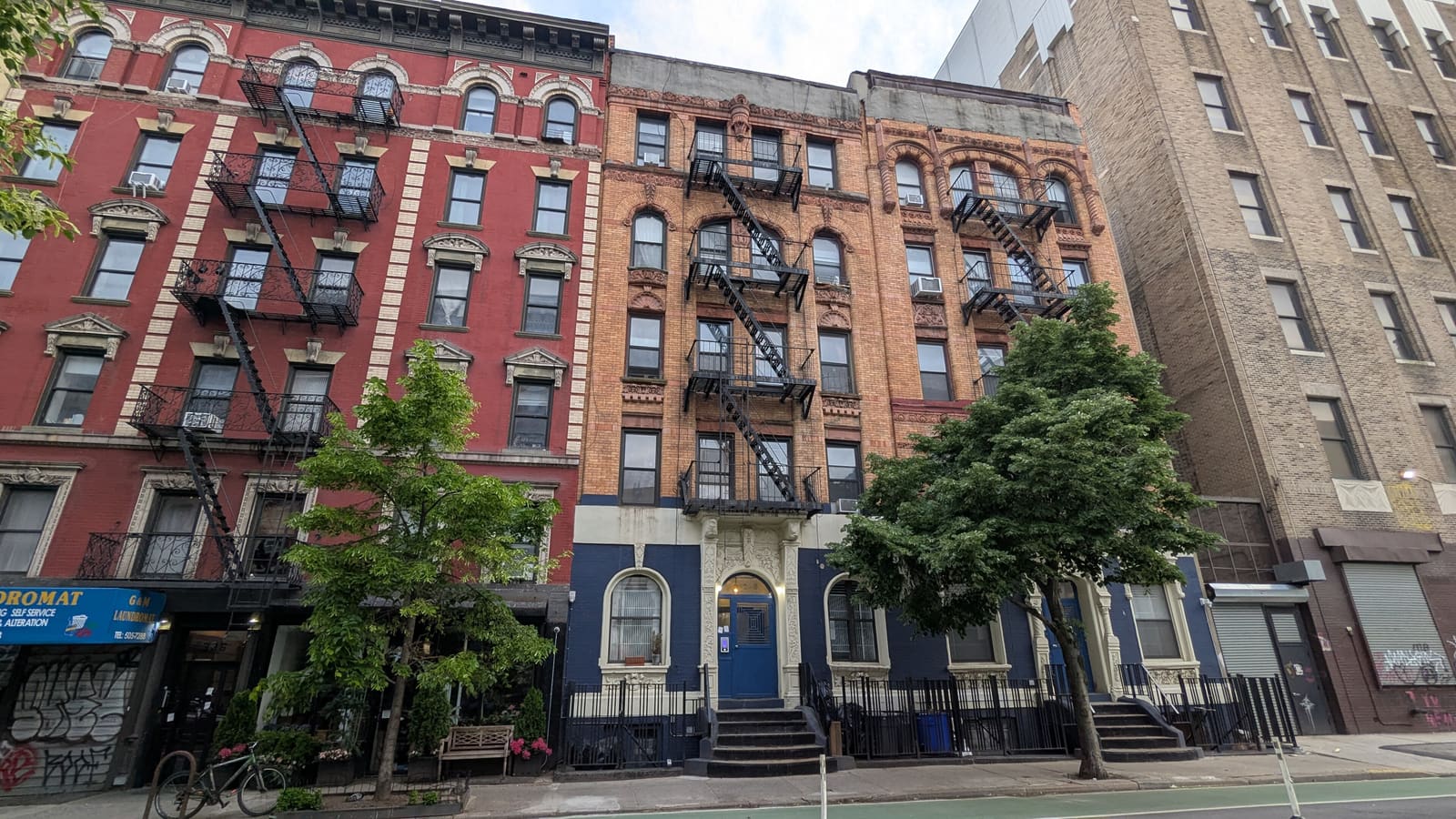

Quick answerIn New York City, as of October 2026, a Section 8 landlord answers to two lead paint laws at once. The federal Lead Safe Housing Rule covers a pre-1978 voucher unit where a child under six lives: peeling paint fails the inspection and must be stabilized and cleared. The City's Local Law 1 covers pre-1960 rental buildings: an annual notice each January, yearly inspections, turnover work, completed XRF testing, and records kept ten years.
- Under 6the child's age that triggers both the federal rule and Local Law 1
- 10 hours a weektime in the apartment that makes a child "reside" there under City law
- January 1 to 16when the City's annual notice goes to every tenant
- August 9, 2025the XRF testing deadline, now passed
- July 1, 2027door and window friction surfaces abated where a child under six lived on January 1, 2025
- 10 yearshow long City law makes owners keep lead records
The Two Regulatory Frameworks
Federal law follows the voucher and City law follows the building, so a Section 8 unit in an older New York building is usually under both. HPD's Administrative Plan (section 8.6.12) says it applies the local lead law wherever that is stricter than the federal standard.

| Federal: Lead Safe Housing Rule and disclosure rule | New York City: Local Law 1 of 2004, as amended | |
|---|---|---|
| Who is covered | Units rented with a tenant-based voucher; the disclosure rule covers every pre-1978 lease | Rental units, voucher or not, including rented units in one- and two-family homes; not a unit the owner's family lives in |
| Age of child | Under 6 living in the unit, or to live there | Under 6 who "resides": routinely spends 10 or more hours a week in the unit |
| Building age | Built before January 1, 1978; zero-bedroom units are exempt | Built before January 1, 1960, or 1960 through 1977 if the owner has actual knowledge of lead paint |
| What counts as lead paint | 1.0 mg/cm² or 0.5 percent by weight | 0.5 mg/cm² since December 1, 2021; presumed in pre-1960 buildings unless HPD grants an exemption |
| Main duties | Pamphlet and disclosure; visual assessment; paint stabilization and clearance; ongoing maintenance | Annual notice; yearly investigation; turnover work; one-time XRF test; friction surface abatement; safe work practices |
| Deadline for peeling paint | Before assisted occupancy starts; 30 days after notice from a periodic inspection, never extended past 90 | An HPD lead hazard violation is Class C, with 21 days from service to correct |
| Records | 3 years for the disclosure and for notices and clearance reports | 10 years, passed to the next owner |
| Citation | 24 CFR 35.1200 to 35.1225, 35.115, 35.82 to 35.92, 35.175 | Administrative Code 27-2056.1 to 27-2056.18; 28 RCNY chapter 11 |
Sources: 24 CFR part 35; Administrative Code, Article 14; HPD lead-based paint page; HPD penalties page.
HPD's rule, 28 RCNY 11-01, sets the Code's "applicable age" at under six. "Resides" is defined in section 27-2056.2(12); the Health Department's window guard rules took the same meaning on January 1, 2026: see window guard requirements.
The Lead-Based Paint Disclosure for Section 8
Before a tenant is bound by a lease for a pre-1978 apartment, the owner must hand over the EPA pamphlet and a signed lead disclosure (24 CFR 35.88 and 35.92).
- Pamphlet. EPA's Protect Your Family From Lead in Your Home
- Lead Warning Statement. the paragraph printed in the rule, in the language of the lease
- Owner's statement. known lead paint or hazards, with location and condition, or no knowledge
- Records list. every report the owner has, common areas included, or a statement that there are none
- Tenant's acknowledgment. receipt of the statements, records and pamphlet
- Signatures and dates. owner, tenant and any agent
What it means: XRF reports must now be listed and given to the next tenant.
Source: 24 CFR 35.92; EPA's lessor disclosure form.
NYCHA's rental packet includes the "Disclosure of Information on Lead-Based Paint form signed by you and the voucher holder" (NYCHA guide for property owners). The rest of the packet is in how to become a Section 8 landlord in NYC.
Watch outThe City lead notice is required at every renewal, even when federal rules exempt it.The federal rule exempts a renewal when everything was already disclosed and the owner has nothing new (24 CFR 35.82(d)). The City requires its own notice, asking whether a child under six resides there, at every lease signing and renewal (Administrative Code 27-2056.4(d)).
Other lease papers are in Section 8 lease requirements in NYC.
Housing Quality Standards and Lead Paint
When a child under six lives or will live in a pre-1978 voucher unit, the inspector does a visual assessment of all painted surfaces at the initial and each periodic inspection, and deteriorated paint fails the unit (24 CFR 35.1215).
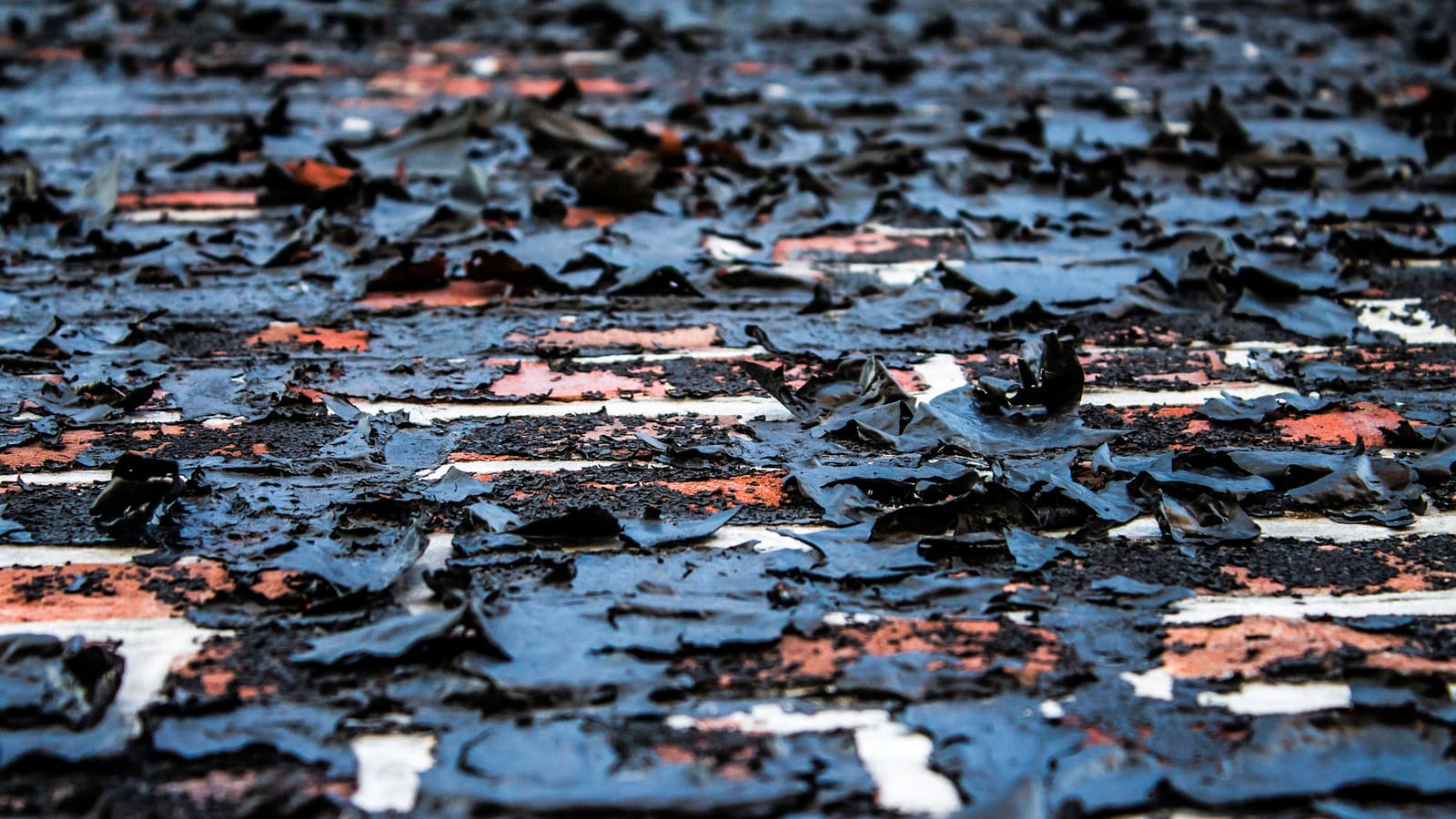

- Visual assessmentpeeling, chipping, chalking or cracking paint in the unit, the common areas serving it and the exterior.
- Paint stabilizationthe owner repairs the cause, removes loose paint and repaints, using safe work practices unless the job is 2 square feet or less in a room, 20 square feet outside, or 10 percent of a small component.
- Clearanceabove those amounts the job is complete only when a certified professional passes a clearance examination with dust samples.
- Ongoing maintenancethe owner checks for deteriorated paint at turnover and every twelve months.
Source: 24 CFR 35.1215, 35.1220, 35.1330, 35.1340, 35.1350 and 35.1355.
How NSPIRE treats lead paint
NSPIRE keeps the same test: HUD's lead paint standard fails a pre-1978 voucher unit with a child under six for deteriorated paint and prints a 30-day correction time. Agencies must switch by February 1, 2027: see the NSPIRE guide.
What NYCHA and HPD add
NYCHA cites peeling paint in pre-1978 units with "a child six years old or younger", gives 90 calendar days after a periodic inspection, and must approve an Owner Lead-Based Paint Certification (NYCHA Administrative Plan, May 2026, chapter XII). HPD prints the deadline on its Notice of HQS Failure and takes no self-certification for lead (HPD Administrative Plan, sections 8.6.12 and 8.15).
Room-by-room items are in the NYC inspection checklist and the HPD checklist; abatement and back pay are in what happens if you fail an inspection.
NYC Local Law 1 Annual Requirements
Every year the owner of a pre-1960 rental building must ask each tenant whether a child under six resides there, then inspect those apartments and the common areas (Administrative Code 27-2056.4).
- January 1 to January 16deliver the annual notice to every apartment, in English and Spanish. Enclosed with the January rent bill, it counts if delivered December 15 to January 16.
- February 15the tenant's written answer is due.
- February 16 to March 1with no answer and no actual knowledge, try to enter the apartment to find out. If access fails, notify the Health Department.
- At least once a yearinspect each apartment where a child under six resides, and the common areas. Give the tenant the results in writing.
- Every twelve months and at turnover (federal)the visual assessment 24 CFR 35.1355 requires for a voucher unit.
- Every lease signing and renewalthe City's lease notice and Health Department pamphlet.
- Every vacancyturnover work, finished before the new tenant moves in.
What it means: one yearly walk-through, written up, can serve both rules.
Sources: Administrative Code 27-2056.4(a), (d), (e) and (f); HPD annual notice and investigations page; 24 CFR 35.1355.
HPD accepts the Health Department's combined lead and window guard notice or its own form. No professional is required for the yearly inspection; HPD recommends HUD's visual assessment course.
Key pointAn inspection is also due whenever a tenant complains about peeling paint or the owner knows of a condition likely to cause a hazard, such as a leak (27-2056.4(a)).
The August 2025 XRF Testing Deadline
By August 9, 2025, every rental unit and common area in a covered building had to be tested once with an X-ray fluorescence (XRF) analyzer by an EPA-certified inspector or risk assessor independent of the owner and of any remediation contractor (Local Law 31 of 2020, Administrative Code 27-2056.4(a-1)). HPD says there are no exceptions, vacant units included.
- Untested units. test now; HPD says to try for access every year and test during any vacancy, keeping an affidavit of the attempts.
- Records on demand. since August 1, 2025, HPD demands XRF records with each lead hazard or turnover violation, due in 45 days.
- Penalty. a Class C violation and $1,500 per unit or common area, by HPD's account.
- Old tests at 1.0 mg/cm². no retest is needed if the report is on file, but an exemption needs a test at 0.5 mg/cm².
Sources: HPD paint testing page; HPD May 2026 lead bulletin; Administrative Code 27-2056.4(g), 27-2056.8(d) and 27-2056.17(b-1).
NYC HPD lead exemption lookup: what the exemption is and where to check
An exemption is HPD's decision that the legal presumption of lead paint no longer applies to an apartment, a common area or a building. Only pre-1960 buildings can apply (Administrative Code 27-2056.5(b)).
- Lead Freeevery surface tested negative at 0.5 mg/cm², or the positive paint was permanently removed. No annual notice, yearly inspection or safe work practices for that unit.
- Lead Safelead paint remains but is contained or encapsulated. The owner files a monitoring plan and keeps inspecting the covered surfaces.
What it means: an exemption changes City duties only. A voucher unit leaves the federal rule only if a certified inspection found no lead-based paint or all of it was removed and cleared (24 CFR 35.115).
Source: HPD paint testing and exemptions page; HPD exemption FAQ, July 30, 2020; paper application, version 4/2024.
Owners apply and track their applications in the Lead Exemption Online Portal (LEOP). No public page for looking up another building's exemption was found on HPD's lead pages or LEOP's home page; the owner's proof is HPD's determination. An exemption granted at the old 1.0 mg/cm² standard ends when the unit next turns over.
Turnover Requirements
Each time a pre-1960 apartment is re-rented, the owner must finish four jobs before the new tenant moves in, child or no child (Administrative Code 27-2056.8).
- Hazards. remediate all lead-based paint hazards and any underlying defect, such as a leak
- Smooth surfaces. make bare floors, window sills and window wells smooth and cleanable
- Doors. remove or permanently cover lead paint on friction surfaces of all doors and door frames
- Windows. remove or permanently cover lead paint on window friction surfaces, or install replacement channels or slides
- Clearance and certification. pass a dust clearance test, then certify the work on the Lease/Commencement of Occupancy Notice
The 2023 amendments: friction surfaces in occupied units, and common areas
Local Law 123 of 2023 extended the same four jobs to occupied apartments where a child under six resides. The work is due at the earliest of three dates.
- 1Turnoverat every turnover, as before.
- 2July 1, 2027for a unit where a child under six resided on January 1, 2025.
- 3Three yearsfrom the date a child under six begins to reside in an occupied unit after January 1, 2025.
What it means: door and window friction surfaces must be abated even where the paint is intact.
Source: Administrative Code 27-2056.8(a), as amended by Local Law 123 of 2023, effective September 1, 2024; HPD turnover and child-under-6 page.
If the occupant refuses temporary relocation that the work requires, HPD can exempt the owner until the next turnover on proof of a good-faith effort (27-2056.8(e)).
Local Law 111 of 2023, effective June 8, 2024, made peeling lead paint in a common area its own Class C violation (27-2056.6.1) and has HPD inspectors check common areas during complaint inspections. Local Law 122 of 2023 added XRF records to the records demand.
Safe Work Practices
Work that disturbs lead paint or untested paint in an apartment where a child under six resides, or in the common areas, must follow the City's safe work rules (Administrative Code 27-2056.11).
| Job | Who may do it | Extra step |
|---|---|---|
| Under 2 square feet of peeling paint in a room, or under 10 percent of a small component | Outside the Code's rules for non-violation work | None stated |
| Ordinary repair or renovation above that amount | EPA-certified renovation (RRP) firm with certified renovators | Dust clearance test |
| More than 100 square feet in a room, or removing two or more windows | EPA-certified abatement firm | Notice to the Health Department at least 10 days before work starts; dust clearance test |
| Correcting an HPD or Health Department violation or order | EPA-certified abatement firm only, whatever the size | Clearance results filed with HPD |
What it means: a renovation firm cannot clear a violation. The dust test must be taken by a certified third party independent of the owner and the firm, and the tenant gets a copy.
Sources: Administrative Code 27-2056.11(a) and (b); HPD safe work practices page.
The action level for lead in paint and dust
The City's paint standard is 0.5 mg/cm², or 0.25 percent by weight where a chip cannot be measured. The dust standard is about to change.
| Surface | Since June 1, 2021 | From November 5, 2026 |
|---|---|---|
| Floors | 5 | 4 |
| Window sills | 40 | 32 |
| Window wells | 100 | 80 |
What it means: samples collected from November 5, 2026 must pass at the lower numbers.
Source: Administrative Code 27-2056.2(8)(b); NYC Health Department, information for building owners.
Check firms in EPA's lead professional locator.
What Happens When a Child Has an Elevated Blood Lead Level
When a child under six in a voucher unit has a confirmed elevated blood lead level, federal deadlines start for the housing agency and the owner (24 CFR 35.1225). HUD's threshold has been 3.5 micrograms per deciliter since its notice of January 17, 2025 (90 FR 5975).
- 1Report, 5 business daysan owner told of a case by a medical provider reports it to the health department, and reports each confirmed case to the HUD field office and HUD's Office of Lead Hazard Control and Healthy Homes.
- 2Verifyif word came from someone else, the housing agency verifies it with the health department or a medical provider.
- 3Investigate, 15 calendar daysthe housing agency completes an environmental investigation and gives the owner the report, unless the health department already evaluated the unit.
- 4Fix, 30 calendar daysfrom receiving the report, the owner completes hazard reduction, through clearance.
- 5Tell residentsthe owner gives notice of the evaluation and the work; nothing is posted in a common area.
- 6Other voucher units, 30 or 60 daysif hazards were found, other units with a child under six get a risk assessment within 30 calendar days (20 or fewer such units) or 60.
- 7Document, 10 business daysthe owner sends the HUD field office proof of each step.
What it means: the investigation falls to the housing agency and the hazard reduction to the owner; no provision reimbursing the owner was found in subpart M.
Source: 24 CFR 35.1225, paragraphs (a) to (f), and 35.125.
- NYCHArelies on the Health Department's Commissioner's Order to Abate and gives the owner 30 calendar days from receipt before suspending or abating the subsidy. If the owner is late, the tenant is entitled to an emergency transfer voucher.
- HPDissues a notice of failure when the Health Department issues an order, with 30 days to correct. Its inspections page still states the older threshold of five micrograms.
- City lawthe Health Department's order requires XRF testing of the unit within 60 days if never done (Administrative Code 27-2056.7(e)).
What it means: the Health Department's order starts the owner's 30 days. The cure period on the order itself was not confirmed, because Health Code section 173.13 could not be read.
Source: NYCHA Administrative Plan, chapter XII; HPD Administrative Plan, section 8.6.12.
TipThis article gives no medical advice. Families can use the Health Department's lead information for tenants or call 311.
HPD Violations and Enforcement
HPD inspects within ten days of a peeling paint complaint in a pre-1960 apartment where a child under six resides, tests the paint by XRF, and issues a Class C violation if it is lead paint or presumed to be (Administrative Code 27-2056.6 and 27-2056.9).
- Lead hazard violation (orders 616, 617). 21 days from service to correct; $250 a day up to $10,000
- Annual notice or investigation not done (order 619). up to $1,500 per violation, the figure HPD also gives for missed XRF testing
- Records not produced within 45 days (order 620). $1,000 to $5,000 per violation
What it means: only documents clear a record violation. The 21 days and daily penalty are HPD's statement of Code section 27-2115(l), which was not read.
Sources: HPD penalties and fees; HPD lead violations page; Administrative Code 27-2056.4(g) and 27-2056.17(e).
If a lead hazard violation is not corrected, HPD attempts the repair through its Emergency Repair Program and bills the property. An owner without ten years of records can clear a record violation with three consecutive years and $1,000 for each missing year (HPD dismissal request page).
Practical Steps for Section 8 Landlords
Build one file per apartment and one per building, because both HPD and the voucher agency will ask for paper.
- Annual notices. proof of delivery, returned forms, and access attempts for non-responses, 10 years
- Yearly inspections. who inspected, what was seen, proof the tenant got the results, 10 years
- XRF testing. the report, the inspector's EPA certificate, affidavits, 10 years
- Turnover and repairs. turnover dates, work done, firm certificates, clearance results, 10 years
- Exemptions. HPD's determination, and monitoring records for Lead Safe
- Federal disclosure, notices and clearance reports. 3 years
- Voucher certifications. NYCHA's or HPD's lead certification
What it means: keeping everything ten years covers the federal periods too.
Source: Administrative Code 27-2056.4(f) and 27-2056.17(a); HPD safe work practices page; 24 CFR 35.92(c) and 35.175.
Resources and Next Steps
- HPD lead-based paint page: forms, bulletins and webinars
- HPD Lead Unit: 212-863-5501, option 5
Next step: check that every apartment in one building has a returned January 2026 notice or a documented follow-up, then walk a unit with the pre-inspection checklist.
Once a unit is compliant, list it on VoucherMatch, or see what other owners are offering in the current listings.
Frequently Asked Questions
Which NYC buildings do Section 8 lead paint rules apply to? Pre-1978 voucher units with a child under six under the federal rule, and pre-1960 rental buildings under Local Law 1. See The Two Regulatory Frameworks.
What lead paint form does NYCHA require with a Section 8 rental packet?
Key pointThe Disclosure of Information on Lead-Based Paint form, signed by the owner and the voucher holder.
When do NYC landlords have to send the annual lead paint notice? Between January 1 and January 16 each year. See NYC Local Law 1 Annual Requirements.
Can peeling paint fail a Section 8 inspection?
- Yes: in a pre-1978 building where a child under six lives or will live. See Housing Quality Standards and Lead Paint.
What is the XRF lead testing requirement for NYC landlords? A one-time test of every rental unit and common area by an independent EPA-certified inspector, due by August 9, 2025. See The August 2025 XRF Testing Deadline.
How long do landlords have to keep lead paint records in NYC?
Key pointTen years under City law; three for the federal disclosure.
Does a lead exemption from HPD end the federal Section 8 lead rules? No. It lifts only the City's presumption.
Do the federal rules apply to a studio?
- Federal: zero-bedroom units are exempt from the Lead Safe Housing Rule and the disclosure rule (24 CFR 35.115(a)(2) and 35.86)
- Local Law 1: the sections read contain no such exemption
How this article was checked
Last checked: October 7, 2026, against 24 CFR part 35, HUD's notice at 90 FR 5975, NYC Administrative Code 27-2056.1 to 27-2056.18, 28 RCNY 11-01, HPD's and the Health Department's lead pages, NYCHA's May 2026 Administrative Plan and HPD's April 2025 Administrative Plan.
Sources for this article (38)
- Administrative Plan (nyc.gov)
- 24 CFR part 35 (ecfr.gov)
- Administrative Code, Article 14 (codelibrary.amlegal.com)
- HPD lead-based paint page (nyc.gov)
- HPD penalties page (nyc.gov)
- 24 CFR 35.88 and 35.92 (ecfr.gov)
- Protect Your Family From Lead in Your Home (epa.gov)
- 24 CFR 35.92 (ecfr.gov)
- lessor disclosure form (epa.gov)
- NYCHA guide for property owners (nyc.gov)
- 24 CFR 35.1215 (ecfr.gov)
- 35.1220 (ecfr.gov)
- 35.1330 (ecfr.gov)
- 35.1340 (ecfr.gov)
- 35.1350 (ecfr.gov)
- 35.1355 (ecfr.gov)
- lead paint standard (hud.gov)
- NYCHA Administrative Plan (nyc.gov)
- HPD annual notice and investigations page (nyc.gov)
- combined lead and window guard notice (nyc.gov)
- HUD's visual assessment course (apps.hud.gov)
- HPD paint testing page (nyc.gov)
- HPD May 2026 lead bulletin (nyc.gov)
- HPD exemption FAQ (nyc.gov)
- paper application (nyc.gov)
- Lead Exemption Online Portal (leadexemption.nyc.gov)
- Lease/Commencement of Occupancy Notice (nyc.gov)
- HPD turnover and child-under-6 page (nyc.gov)
- HPD safe work practices page (nyc.gov)
- NYC Health Department, information for building owners (nyc.gov)
- EPA's lead professional locator (cdxapps.epa.gov)
- 24 CFR 35.1225 (ecfr.gov)
- 90 FR 5975 (federalregister.gov)
- 35.125 (ecfr.gov)
- inspections page (nyc.gov)
- lead information for tenants (nyc.gov)
- HPD lead violations page (nyc.gov)
- HPD dismissal request page (nyc.gov)
Stay Updated on Housing
Get the latest on fair market rents, voucher programs, and finding housing.
No spam, ever. Unsubscribe anytime.
VoucherMatch Editorial Team
Every rule, date and dollar amount in this article is checked against the agency document it comes from, and the sources are listed above. How VoucherMatch articles are researched and corrected
Find apartments
Listings on VoucherMatch come from landlords who say up front which vouchers they accept.
Related Articles
Can a Landlord Refuse Section 8 in NYC? The Law in 2026
Can a landlord refuse Section 8 in NYC? No. What City and State law say, the two exemptions, the 2021 end of the six-unit rule, penalties and lawful screening.
9 min readHow to Screen Section 8 Tenants in NYC: What the Law Allows
How to screen Section 8 tenants in NYC: what the agency checks, what landlords may check, and the legal limits on income, credit, court and criminal records.
12 min readSection 8 Window Guard Requirements in NYC: Rules and Dates
NYC buildings with three or more apartments must install window guards where a child 10 or younger lives. Notice dates, costs and NYCHA's 21 days.
12 min readSection 8 Lease Requirements NYC: What a Lease Must Include
Section 8 lease requirements in NYC: the five items HUD requires, the tenancy addendum, New York notices and riders, void clauses and what each agency reviews.
13 min readSection 8 for Mixed-Status Families: Who Qualifies, How the Subsidy Is Prorated, the "Elect Not to Contend" Rule, and Where HUD's 2026 Proposal Stands
A household where some members have eligible immigration status and others do not can receive Section 8 or public housing today, with the assistance reduced in proportion, and without the members who lack status having to disclose it. Here is the federal rule as written, the proration math with a worked example, the protection for members who do not claim status, and the exact status of HUD's February 2026 proposal to end prorated assistance.
12 min readSection 8 Income Limits NYC 2026: 1 to 8 People (HUD)
Section 8 income limits in NYC for 2026: $59,400 for one person, $84,800 for four (HUD FY2026). See the full table, who qualifies and what counts as income.
10 min readList Your Property Today
Join hundreds of landlords connecting with qualified voucher holders on VoucherMatch.
Weighing a purchase? The RentalCalcs investment calculators from the VoucherMatch team run cash flow and Section 8 rent for any address, free.