Utilities Included vs. Utility Allowance: NYC Voucher Rent

Quick answerIn New York City, as of October 2026, a Section 8 tenant pays about the same total either way when the rent fits under the payment standard. With tenant-paid utilities, the rent you pay the landlord drops by the utility allowance ($181 for a NYCHA two-bedroom with cooking gas and electric), and you carry any bills above that. Under CityFHEPS, FHEPS and HASA, tenant-paid utilities lower the highest rent the program will approve by the allowance.
Last checked: October 5, 2026, against NYCHA's Voucher Payment Standards and Utility Standards page (effective January 1, 2026), NYCHA's Housing Choice Voucher Administrative Plan (May 2026), DSS forms DSS-8r, DSS-8q, DSS-8j, DSS-7r and DSS-31, HRA's rent guidelines for HASA (SPSVC-17, effective 9/10/2025), the city's CityFHEPS rule amendment of August 2025, and HPD's Section 8 Property Owners FAQ. Federal rent rules (24 CFR 982.505 to 982.517) were last read October 4, 2026.
- $2,997NYCHA and CityFHEPS two-bedroom standard for a new rental in 2026
- $181two-bedroom allowance for cooking gas plus electric
- $2,816highest two-bedroom rent that fits when you pay those two bills
- 40 percentincome cap on a Section 8 tenant's share when first renting above the standard
- $50NYCHA's minimum rent, used in the reimbursement example
"Utilities included" means the rent covers heat, hot water, electricity and cooking gas. A utility allowance is the program's fixed monthly estimate for whichever of those the lease makes you pay. This article compares the two kinds of apartment. The dollar amount for every bedroom size and fuel is in the NYCHA utility allowance schedule.
A Concrete Example (2026 Numbers)
A Section 8 tenant pays the same total for a utilities-included apartment and a tenant-paid one as long as the tenant-paid apartment's rent plus allowance fits under the payment standard. The example uses three two-bedroom apartments and one tenant.
- Real, from NYCHAthe $2,997 two-bedroom payment standard for new rentals and the $181 allowance for cooking gas plus electric, both effective January 1, 2026
- Example onlythe three asking rents, a tenant with $2,400 in adjusted monthly income (30 percent is $720), and utility bills that equal the allowance
View the data table
| Apartment | Paid to the landlord | Paid to utility companies | Total out of pocket |
|---|---|---|---|
| A. $2,950, all utilities included | $720 | $0 | $720 |
| B. $2,800, you pay cooking gas and electric | $539 | $181 | $720 |
| C. $2,950, you pay cooking gas and electric | $673 | $181 | $854 |
What it means: A and B cost this tenant the same $720, and C costs $134 more because its rent plus allowance is $134 over the standard.
Source: payment standard and allowance from NYCHA's 2026 schedule; formulas in 24 CFR 982.505 and 982.515.
| A. Utilities included | B. You pay cooking gas and electric | C. Same bills, higher rent | |
|---|---|---|---|
| Asking rent (example) | $2,950 | $2,800 | $2,950 |
| Utility allowance | $0 | $181 | $181 |
| Gross rent (rent plus allowance) | $2,950 | $2,981 | $3,131 |
| Payment standard, two-bedroom new rental | $2,997 | $2,997 | $2,997 |
| Highest rent that fits under the standard | $2,997 | $2,816 | $2,816 |
| NYCHA pays the landlord | $2,230 | $2,261 | $2,277 |
| You pay the landlord | $720 | $539 | $673 |
| You pay utility companies (example) | $0 | $181 | $181 |
| Your total out of pocket | $720 | $720 | $854 |
| Landlord collects | $2,950 | $2,800 | $2,950 |
What it means: in apartment B, NYCHA pays $181 of rent that the tenant would otherwise pay, which frees $181 for the bills.
Source: NYCHA's 2026 schedule and 24 CFR 982.505 and 982.515. NYCHA pays the lower of the payment standard or the gross rent, minus the tenant's $720.
Apartment C is $134 over, and the tenant covers all of it. NYCHA can still approve it: when you first rent a unit above the standard, your share (here $854) cannot be more than 40 percent of adjusted monthly income (here $960) under 24 CFR 982.508.
HPD vouchers use HPD's own payment standards and allowance table. The NYC Section 8 payment standards guide has them.
When your real bills are higher or lower than the allowance
The allowance is fixed, so apartment B costs more or less than apartment A depending on your actual bills. Federal rules base it on typical costs for energy-conservative households (24 CFR 982.517), and nobody adjusts it to your meter.


View the data table
| Case | Total out of pocket |
|---|---|
| A. Utilities included | $720 |
| B. Bills of $120 | $659 |
| B. Bills of $181, equal to the allowance | $720 |
| B. Bills of $250 | $789 |
What it means: with tenant-paid utilities, you keep the difference when bills run under the allowance and you pay the difference when they run over.
Source: the example above, with hypothetical bills added to the $539 paid to the landlord.
If your income is very low: the utility reimbursement
When the allowance is larger than your share, a Section 8 tenant pays the landlord nothing and gets the rest back. NYCHA's Administrative Plan says it "will pay the difference in the form of a monthly or annual utility reimbursement payment."
| Same apartments, tenant at NYCHA's $50 minimum rent | A. Utilities included | B. You pay cooking gas and electric |
|---|---|---|
| NYCHA pays the landlord | $2,900 | $2,800 |
| You pay the landlord | $50 | $0 |
| Utility reimbursement paid to you | $0 | $131 |
| You pay utility companies (example) | $0 | $181 |
| Net out of pocket | $50 | $50 |
What it means: the $131 reimbursement is the $181 allowance minus the $50 share, and it goes toward bills you still have to pay yourself.
Source: NYCHA Administrative Plan (May 2026), 24 CFR 982.514, and the 2026 figures above.
Watch outNYCHA has not published the dates reimbursement payments go out. In apartment B you would need to pay the utility bills on time whether or not the payment has arrived.
What Each Program Does
Section 8 credits the allowance to the tenant, while the three city-run programs publish only a lower rent maximum. The table uses a two-bedroom where the tenant pays cooking gas and electric.
| Program | All utilities in the rent | Tenant pays cooking gas and electric | If the rent is higher than that |
|---|---|---|---|
| Section 8 (NYCHA) | $2,997 payment standard | $2,816 keeps you at the standard | Can be approved. You pay the excess, within the 40 percent cap at move-in |
| CityFHEPS | $2,997 maximum rent | $2,816 maximum rent | Not approved at that rent |
| FHEPS | $3,058 maximum rent | $2,881 maximum rent | Not approved at that rent |
| HASA | $3,058 maximum rent | About $2,881, not confirmed for 2026 | Ask the caseworker |
What it means: on a city-run program, check the asking rent against the lower number before you apply.
Source: NYCHA's 2026 schedule; DSS forms DSS-8r and DSS-8q, both dated 01/14/2026; HRA's rent guidelines for HASA, effective 9/10/2025. The lower figures are VoucherMatch's subtraction.
- CityFHEPS: The 2026 amounts apply to packages submitted on or after March 1, 2026 or leases starting April 1, 2026 or later. On form DSS-8q the landlord acknowledges that the maximum rent DSS will approve is reduced by the utility allowance.
- FHEPS: DSS-8q says FHEPS households and new FHEPS packages "will continue to use 2025 payment standards and 2025 utility allowance amounts until further notice." The 2025 two-bedroom allowance for cooking gas plus electric is $177.
- HASA: The guidelines say to subtract the tenant's utility amount using DSS's 2025 calculator, which gives $177. HRA has not said whether HASA now uses the 2026 amounts. Heat and hot water must be in every HASA lease except Housing Connect and other lottery apartments. More in how much HASA pays for rent.
Watch outYou cannot fix a gap by paying the landlord extra on the side. DSS's shopping letter notice calls that a side deal, and its CityFHEPS client FAQ says "HRA will not pay the amount for an apartment with utilities if they are not being provided by the landlord."
One CityFHEPS question has no published answer: whether your own payment drops when you pay utilities, the way it does under Section 8.
- What the rule says: The city rule sets the city's payment at the rent, up to the maximum less the utility allowance, minus your contribution. It writes in no utility credit.
- What DSS has said aloud: An unofficial transcript of a January 2025 City Council hearing has the DSS commissioner describing a credit like Section 8's. No DSS form that states it was found.
- What to rely on: Your approval notice, which DSS says tells you how much you must pay your landlord. Until you have it, budget for your full contribution plus the utility bills.
Is "Utilities Included" the Better Deal?
It depends on the program: for city-run programs the included apartment leaves more room under the rent maximum, and for Section 8 the two are equal on paper and differ in who carries the risk.
| Your situation | Lean toward | Why |
|---|---|---|
| CityFHEPS, FHEPS or HASA, and the asking rent is between the two maximums | Utilities included | The same rent that passes with utilities included is over the maximum without them |
| Section 8, and you expect high bills | Utilities included | Bills above the allowance come out of your pocket |
| Section 8, and you use little gas and electricity | Tenant-paid | You keep whatever the allowance exceeds your bills by |
| Any program, and money is tight month to month | Utilities included | One payment to one party, and no shut-off risk |
What it means: compare total cost and risk, since the asking rent alone tells you neither.
Source: the calculations above and NYCHA's Administrative Plan.
Watch outAt NYCHA, "no electricity or gas when the tenant is responsible for paying utilities" is listed as a tenant-caused inspection violation, and the plan says NYCHA may start subsidy termination proceedings over tenant-caused violations.
Both kinds of apartment also have to pass a rent reasonableness review. NYCHA compares the rent with similar unassisted units nearby, and DSS says every CityFHEPS rent must pass a similar test after the paperwork is submitted.
Questions to Ask Before You Apply
Ask the landlord or broker which of the four utility lines you would pay, and get the answer in writing. DSS's notice says the proposed lease will tell you, the listing may say, and you can ask.
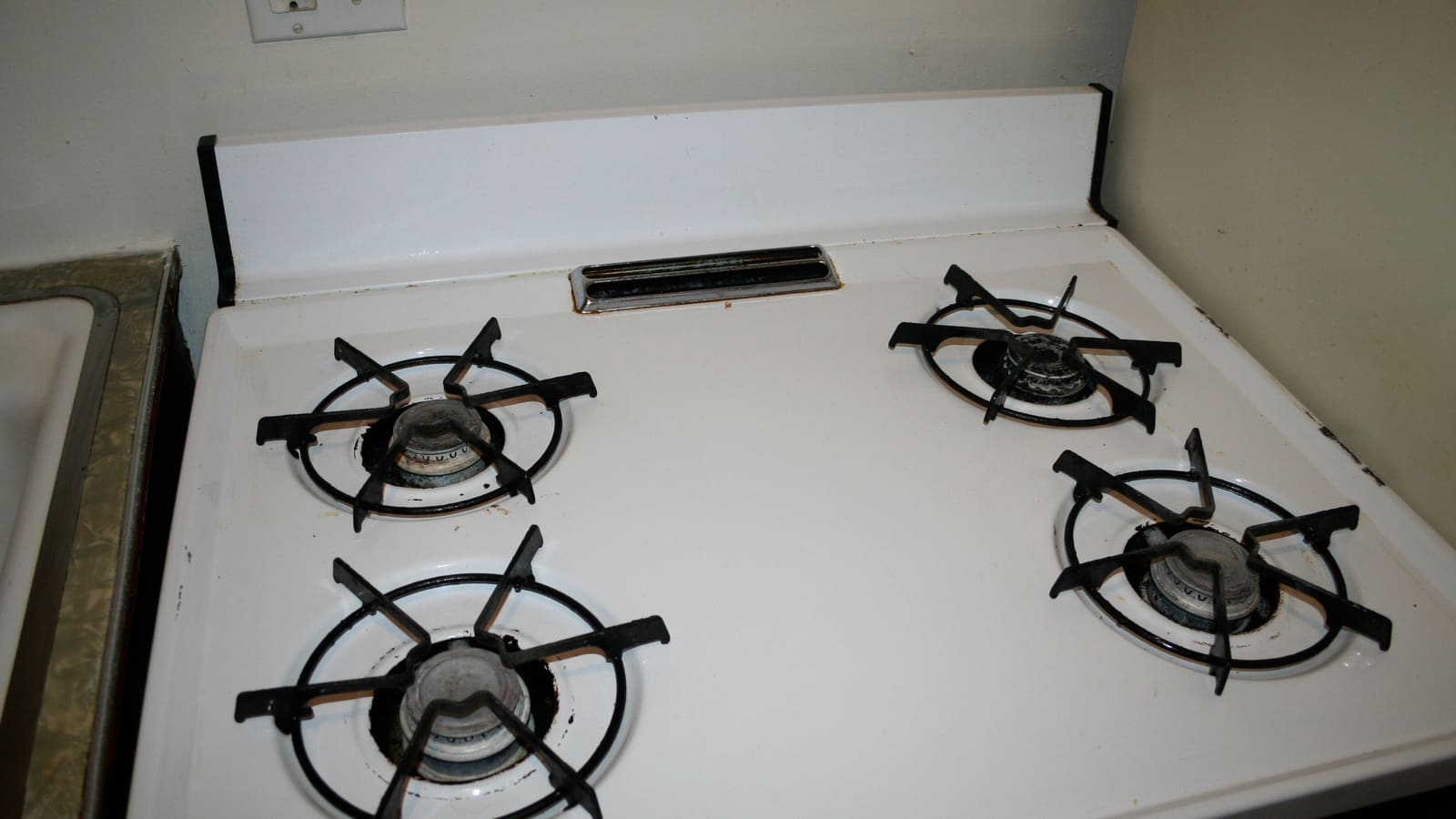

- Which of these are in the rent. heat, hot water, cooking fuel and electricity? "Utilities included" in a listing can mean heat and hot water only.
- What fuel runs the heat, hot water and stove. gas, oil or electric? The allowance is different for each.
- Does the apartment have its own meter for anything I would pay?. NYCHA's plan requires that there be no shared utilities, with narrow exceptions. HPD tells owners not to make a tenant responsible for a utility that is not metered or sub-metered for the unit.
- Will the forms say the same thing as the listing?. The owner reports who pays each utility on the Section 8 Request for Tenancy Approval or the CityFHEPS landlord package, and the program works from that form.
TipYou do not file anything to get the allowance. If the asking rent is over your limit only because you would pay utilities, ask whether the owner will put those utilities in the rent. HPD's owners FAQ says it asks owners to do exactly that, or lower the rent, when a tenancy fails the 40 percent test.
For Landlords: Setting the Rent Either Way
Including utilities raises the rent that fits under the standard by exactly the allowance and no more, and you take on the bills. You collect the approved contract rent in both setups.
View the data table
| Lease setup | Highest rent that fits |
|---|---|
| All utilities in the rent | $2,997 |
| Tenant pays cooking gas and electric ($181) | $2,816 |
| Tenant also pays gas heat and hot water ($319) | $2,678 |
What it means: including cooking gas and electric is worth up to $181 a month in rent, so it pays only if those bills cost you less than $181.
Source: NYCHA's 2026 schedule and DSS-8r, which carry the same 2026 figures; subtraction is VoucherMatch's.
- 1Check the metersOnly make the tenant responsible for a utility the unit is separately metered for.
- 2Total the allowanceAdd the rows for the utilities the tenant would pay, using the full schedule.
- 3Subtract it from the standardFor Section 8 the result is where the tenant's share starts to rise. For CityFHEPS and FHEPS it is the maximum DSS will approve.
- 4Compare with your own costSet the extra rent against what the utilities would cost you to carry.
- 5Report it accuratelyOn the CityFHEPS forms the owner agrees that if the utility information is misrepresented, "DSS will reduce the ongoing rent by the appropriate amount and recoup past overpayments."
Key pointAt NYCHA, switching who pays a utility later requires a new lease and a new HAP contract, so choose the setup before the first lease is signed.
Frequently Asked Questions
What is a utility allowance? It is the program's fixed monthly estimate of what a tenant spends on the utilities the lease makes them pay, set by bedroom count and fuel. NYCHA and HPD each publish one for Section 8, and DSS publishes one for CityFHEPS and FHEPS.
Do I get the utility allowance as cash? Usually no.
- Section 8: it lowers the rent you pay the landlord, and you receive money only when the allowance is larger than your share, as a utility reimbursement.
- CityFHEPS, FHEPS and HASA: their forms describe no cash payment.
The apartment I want is over the limit because I'd pay utilities. Any options? Ask the owner to include the utilities or lower the rent. On Section 8 the housing authority can also approve a rent above the standard if your share stays within 40 percent of adjusted monthly income. CityFHEPS and FHEPS do not allow side payments.
Who decides what the allowance amounts are? The agency that runs the voucher.
- Section 8: NYCHA or HPD, each with its own schedule
- CityFHEPS and FHEPS: DSS
- HASA: its guidelines point to the DSS calculator
Does the allowance change if utility prices spike? No. It changes only when the agency publishes a new schedule, and NYCHA applies a new one at your next regular recertification. A month of high bills is yours to cover.
Where do I find the current allowance tables? On each agency's own page. The utility allowance article explains how to add the rows.
- NYCHA: its payment standards and utility standards page
- DSS: form DSS-8r on the CityFHEPS documents page
Next step: before you apply, write down the asking rent, the four utility answers, and your program's limit for your unit size with and without those utilities. Then compare apartments on VoucherMatch listings. Owners can list a unit free.
Sources for this article (15)
- NYCHA's 2026 schedule (nyc.gov)
- 24 CFR 982.505 (ecfr.gov)
- 982.515 (ecfr.gov)
- 24 CFR 982.508 (ecfr.gov)
- 24 CFR 982.517 (ecfr.gov)
- Administrative Plan (nyc.gov)
- 24 CFR 982.514 (ecfr.gov)
- DSS-8r (nyc.gov)
- DSS-8q (nyc.gov)
- rent guidelines for HASA (nyc.gov)
- shopping letter notice (nyc.gov)
- CityFHEPS client FAQ (nyc.gov)
- city rule (rules.cityofnewyork.us)
- owners FAQ (nyc.gov)
- CityFHEPS documents page (nyc.gov)
Stay Updated on Housing
Get the latest on fair market rents, voucher programs, and finding housing.
No spam, ever. Unsubscribe anytime.
VoucherMatch Editorial Team
Every rule, date and dollar amount in this article is checked against the agency document it comes from, and the sources are listed above. How VoucherMatch articles are researched and corrected
Related Articles
Section 8 Utility Allowance and Reimbursement: How It Works
How the Section 8 utility allowance works: what it covers, the rent math, and who gets a utility reimbursement, with real figures from four housing agencies.
11 min readSection 8 Utility Allowance NYC: 2026 NYCHA Rates by Bedroom
NYCHA 2026 Section 8 utility allowances for cooking gas and electric: $125 studio, $141 1BR, $181 2BR. How the allowance changes gross rent and your HAP.
13 min readCan I Rent a 2-Bedroom With a 1-Bedroom Section 8 Voucher?
Yes, federal rules allow it, but the subsidy stays at your voucher size and a 40 percent cap applies at lease-up. See the math on a 2026 payment standard.
14 min readSection 8 Voucher vs Market Rent: 123 Metros Ranked (2026)
Section 8 voucher vs market rent in 123 metros: HUD's FY2026 limit beat Zillow rents in 27. Dallas led, Naples trailed. FY2027 limits began October 1, 2026.
9 min readSection 8 Portability: How to Move Your Voucher
Section 8 portability lets you move a voucher to another city or state. See who can port, the 12-month rule, each step, deadlines and what agencies may deny.
13 min readCan You Transfer a Section 8 Voucher to Another Person?
Can you transfer a Section 8 voucher to another person? No. An approved household member can keep it after a death or move-out. Rules at 8 agencies compared.
18 min readFind Your Next Home
Explore voucher housing options and local rental guidance.