Section 8 Rent Limits in District of Columbia for FY2027: Fair Market Rent for Every County
What Section 8 pays in District of Columbia depends on the county. HUD sets a Fair Market Rent for each of the state's 1 counties (grouped into 1 metro and non-metro FMR areas), and every housing authority in District of Columbia builds its payment standard from that figure. For fiscal year 2027, the 2-bedroom FMR runs from $2,438 in District of Columbia to $2,438 in District of Columbia, a real gap. The statewide median county sits at $2,438.
Year over year, 1 of the 1 counties with figures in both years went up and 0 went down. District of Columbia had the biggest jump, $2,246 to $2,438 (+8.5%). One metro in District of Columbia is on HUD's mandatory Small Area FMR list (Washington-Arlington-Alexandria, DC-VA-MD), where the limit is set ZIP code by ZIP code instead of by county; the county figure there is only an average.
How the number becomes your rent limit. The FMR is HUD's estimate of the 40th-percentile gross rent (rent plus utilities) for a modest unit in the area. Your housing authority publishes a payment standard for each bedroom size, between 90% and 110% of the FMR. You pay roughly 30% of adjusted monthly income; the voucher covers the rest up to the payment standard. If the unit's gross rent is above the standard, you pay the difference, but a new lease cannot leave your share above 40% of income.
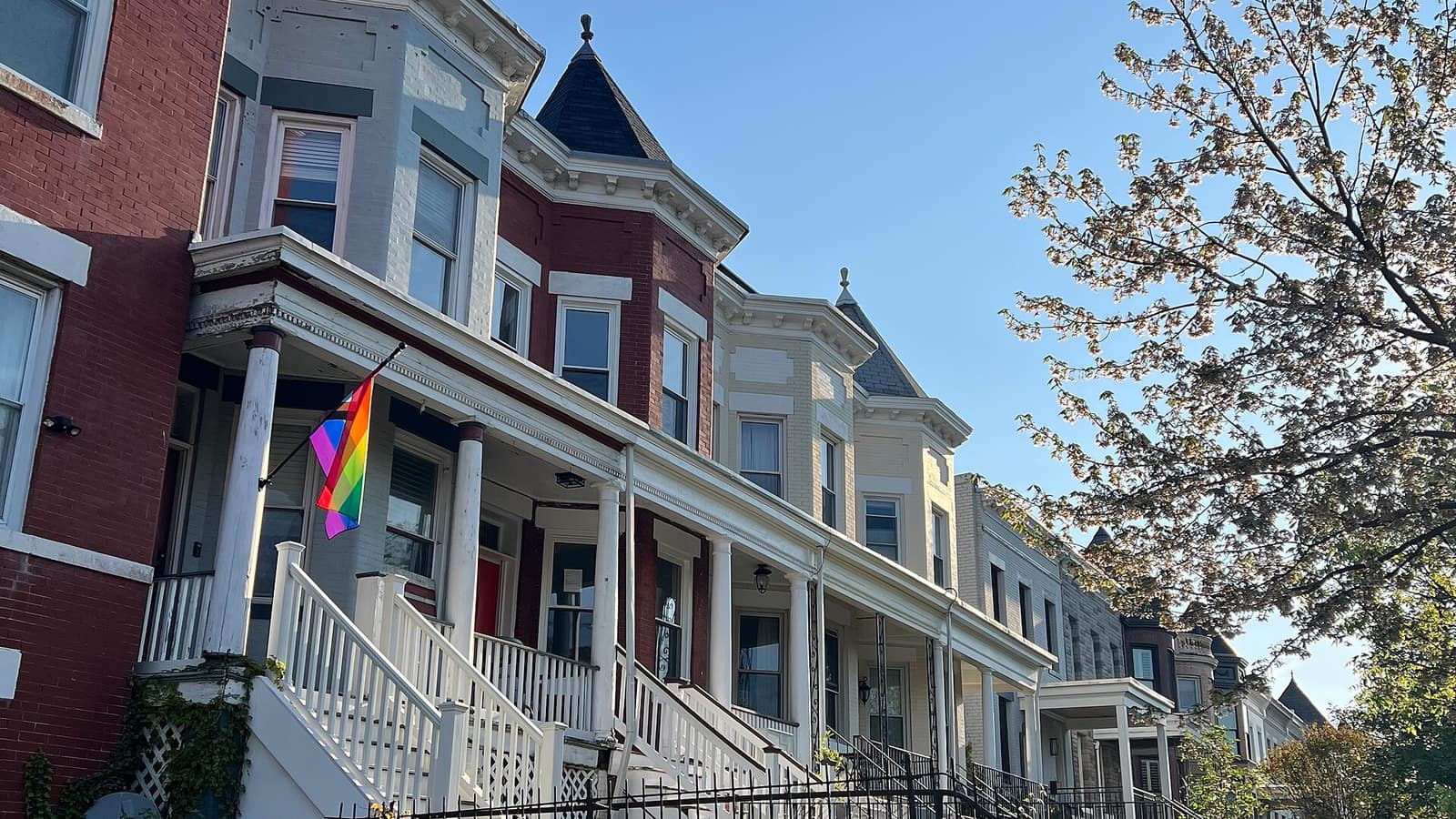

FY2027 Fair Market Rents by Metro Area in District of Columbia
HUD groups counties into FMR areas; a metro's figure applies to every county inside it. "ZIP-level" marks mandatory Small Area FMR metros.
| FMR area | Studio | 1 BR | 2 BR | 3 BR | 4 BR | 2 BR vs FY2026 |
|---|---|---|---|---|---|---|
| Washington-Arlington-Alexandria, DC-VA-MD (ZIP-level) | $2,111 | $2,204 | $2,438 | $3,107 | $3,658 | +8.5% |
FY2027 Fair Market Rents for Every County in District of Columbia
All 1 counties, alphabetical. Studio figures are in the metro table above.
| County | 1 BR | 2 BR | 3 BR | 4 BR | 2 BR vs FY2026 |
|---|---|---|---|---|---|
| District of Columbia | $2,204 | $2,438 | $3,107 | $3,658 | +8.5% |


Where the Limit Moved Most From FY2026 to FY2027
Biggest increases (2-bedroom):
| County | FY2026 | FY2027 | Change |
|---|---|---|---|
| District of Columbia | $2,246 | $2,438 | +8.5% |
HUD caps a one-year decrease at 10%, so a county showing exactly -10.0% hit the floor. A lower FMR does not change an existing lease; it narrows the band for new leases and rent increases, and a reduced payment standard reaches a family already housed only at its second annual reexamination after the change.
Where a Voucher Beats the Market in District of Columbia
A rent limit only matters against what landlords actually charge. We ran HUD's 2-bedroom figure against Zillow's observed rent for every ZIP with data in District of Columbia. Washington-Arlington-Alexandria comes out best, with the typical ZIP's limit +1.4% versus market and 50% of ZIPs above it. Positive means the voucher covers market rent in the typical ZIP.
| Metro | ZIPs with data | Median premium | ZIPs above market |
|---|---|---|---|
| Washington-Arlington-Alexandria, DC-VA-MD-WV | 22 | +1.4% | 50% |
Landlords in the positive-premium metros are leaving money on the table by turning away vouchers; the authority's rent reasonableness check still applies, so you will be approved at market, not above it. The national ranking is in our voucher-vs-market analysis.
The Largest Housing Authorities in District of Columbia
Which authority issued your voucher decides which payment standard applies. The biggest programs in the state:
- DC Housing Authority (DCHA) (Washington), about 17,000 vouchers, (202) 535-1000, dchousing.org (waitlist reported closed, details)
- Community Connections (Washington), about 300 vouchers, (202) 608-4764
Can a Landlord Refuse a Voucher in District of Columbia?
No. District of Columbia protects source of income statewide (DC Human Rights Act (D.C. Law 2-38, SOI added 2005)), so refusing an applicant because they pay with a voucher is illegal anywhere in the state.

Frequently Asked Questions
How much does Section 8 pay in District of Columbia? It depends on the county. HUD's FY2027 2-bedroom Fair Market Rent runs from $2,438 in District of Columbia to $2,438 in District of Columbia, with a median county of $2,438. Your housing authority's payment standard is 90% to 110% of the figure for your county, and the voucher pays that standard minus about 30% of your adjusted income.
Which District of Columbia county has the highest Section 8 rent limit? District of Columbia, at $2,438 for a 2-bedroom ($3,107 for a 3-bedroom) in FY2027. The lowest is District of Columbia at $2,438.
Did Section 8 rent limits go up in District of Columbia for FY2027? Mostly yes: the 2-bedroom figure rose in 1 counties, fell in 0, and held in 0. The biggest increase was District of Columbia (+8.5%).
Can a landlord refuse Section 8 in District of Columbia? No. District of Columbia protects source of income statewide (DC Human Rights Act (D.C. Law 2-38, SOI added 2005)), so refusing an applicant because they pay with a voucher is illegal anywhere in the state.
Where is my housing authority's actual payment standard? On the authority's website, usually a one-page PDF updated each fall, or by calling its Housing Choice Voucher office. The largest District of Columbia authorities are listed above with phone numbers.
See also our District of Columbia Section 8 overview; metro guides for Washington; the national 2-bedroom table for the 40 largest metros; HUD's FY2027 FMR dataset.
Holding a voucher in District of Columbia? Browse voucher-friendly listings by ZIP code and bedroom size.
District of Columbia landlord? List your property free. The table above is what a voucher tenant's authority can pay.
Sources for this article (3)
- dchousing.org (dchousing.org)
- DC Human Rights Act (D.C. Law 2-38, SOI added 2005) (ohr.dc.gov)
- HUD's FY2027 FMR dataset (huduser.gov)
VoucherMatch Editorial Team
Every rule, date and dollar amount in this article is checked against the agency document it comes from, and the sources are listed above. How VoucherMatch articles are researched and corrected
Related Articles
Section 8 Rent Limits in Hawaii for FY2027: Fair Market Rent for Every County
HUD's FY2027 2-bedroom rent limit in Hawaii runs from $2,081 (Hawaii County) to $2,656 (Maui County), median $2,326. Every county's figure by bedroom size, what changed from FY2026, the largest housing authorities, and the voucher law.
6 min readSection 8 Rent Limits in Arkansas for FY2027: Fair Market Rent for Every County
HUD's FY2027 2-bedroom rent limit in Arkansas runs from $909 (Ashley County) to $1,301 (Crittenden County), median $909. Every county's figure by bedroom size, what changed from FY2026, the largest housing authorities, and the voucher law.
12 min readSection 8 Rent Limits in Delaware for FY2027: Fair Market Rent for Every County
HUD's FY2027 2-bedroom rent limit in Delaware runs from $1,498 (Sussex County) to $1,860 (New Castle County), median $1,629. Every county's figure by bedroom size, what changed from FY2026, the largest housing authorities, and the voucher law.
6 min readSection 8 Rent Limits in Alaska for FY2027: Fair Market Rent for Every County
HUD's FY2027 2-bedroom rent limit in Alaska runs from $1,030 (Kusilvak Census Area) to $2,394 (Aleutians West Census Area), median $1,504. Every county's figure by bedroom size, what changed from FY2026, the largest housing authorities, and the voucher law.
8 min readSection 8 Rent Limits in Utah for FY2027: Fair Market Rent for Every County
HUD's FY2027 2-bedroom rent limit in Utah runs from $1,014 (Carbon County) to $2,153 (Summit County), median $1,158. Every county's figure by bedroom size, what changed from FY2026, the largest housing authorities, and the voucher law.
9 min readSection 8 Rent Limits in Oregon for FY2027: Fair Market Rent for Every County
HUD's FY2027 2-bedroom rent limit in Oregon runs from $1,014 (Baker County) to $1,893 (Deschutes County), median $1,318. Every county's figure by bedroom size, what changed from FY2026, the largest housing authorities, and the voucher law.
9 min read